
NEWYou can now listen to Fox News articles!
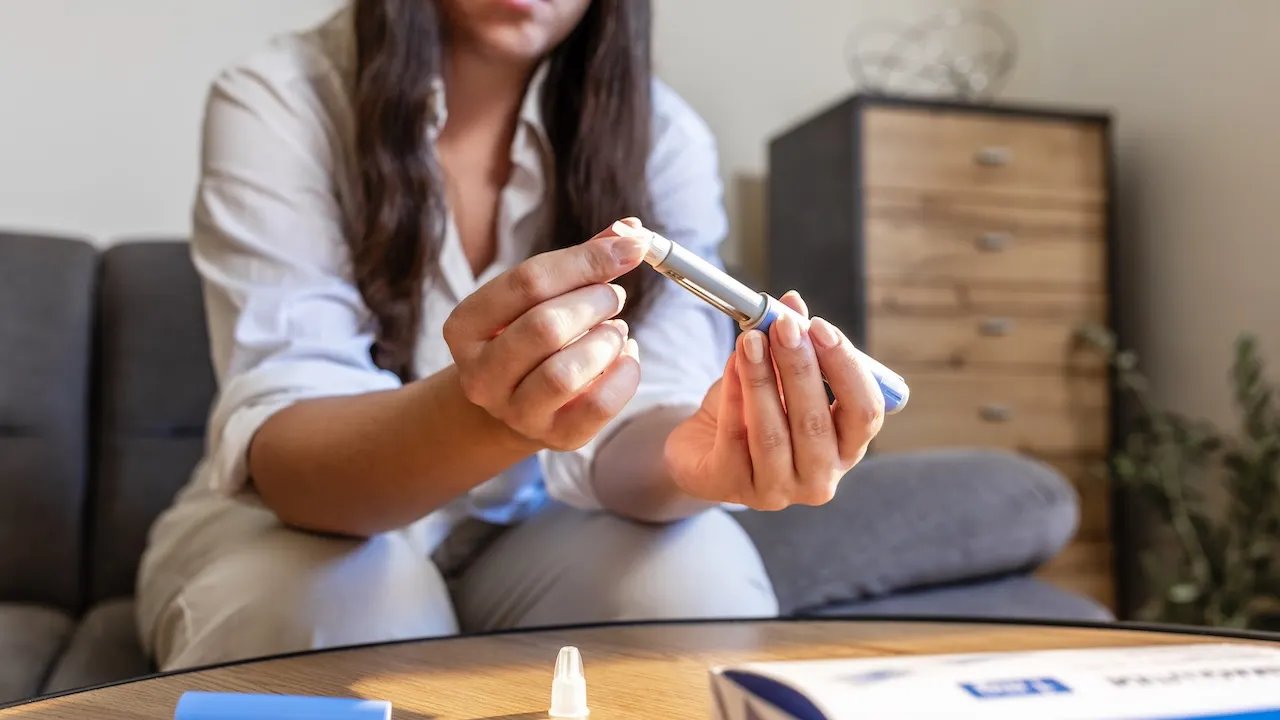
While GLP-1 medications like Ozempic, Wegovy and Zepbound have reshaped weight management and diabetes control, research shows that many patients stop taking them within a year.
Research has found that cycling off these medications can bring potential rebound risks, ranging from rapid weight regain to the loss of cardiovascular protection.
Dr. Frank Dumont, internal medicine physician and executive medical director at Virta Health in San Francisco, spoke with Fox News Digital about why patients stop taking GLP-1s, the potential risks and how to maintain progress afterward.
TYPE 2 DIABETES PATIENTS 21 TIMES MORE LIKELY TO ACHIEVE REMISSION WITH INTENSIVE LIFESTYLE CHANGES
Why patients stop
Some patients may stop taking GLP-1 medications because of medical concerns or side effects, while others prefer not to remain on long-term medication, Dumont said.
Common side effects include nausea, vomiting, constipation and diarrhea.
“Those types of things can become troublesome enough that people actually have a hard time eating enough food to get good nourishment,” he told Fox News Digital. “Working with your physician to make a decision about whether it’s right for you to stay on the medicine or not is important.”
Other serious side effects, like acute pancreatitis, would prompt immediate discontinuation of the drug.
4 SIMPLE HABITS CAN HELP SLOW MUSCLE LOSS AS YOU AGE, FITNESS EXPERT SAYS
“We know that’s fairly rare, but if the pancreas becomes involved, that is not a good thing,” Dumont said. “It can be very serious. It can even be life-threatening.”
Certain GLP-1 medications carry a warning about thyroid tumors based on animal studies, though the risk in humans remains unknown.
“When people take the GLP-1 medications, they lose weight, but they tend to lose both fat mass and lean muscle mass.”
These medications should not be used by people with a personal or family history of medullary thyroid carcinoma or a condition called multiple endocrine neoplasia syndrome type 2 (MEN 2).
Dumont outlined six potential risks patients may face after stopping a GLP-1.
No. 1: Return of hunger and cravings
The most immediate side effect patients notice after stopping a GLP-1 is the return of intense cravings and a sharp spike in appetite, often referred to as “food noise,” according to Dumont.
Many patients assume they can treat GLP-1s like a short-term prescription, taking the drug to hit a target weight or blood sugar goal and then stopping, the doctor noted.

Hunger and cravings typically increase after stopping a GLP-1, the doctor said. (iStock)
However, major medical organizations, including the American Medical Association (AMA) and the Obesity Medicine Association, classify obesity as a chronic condition that typically requires ongoing management.
“Unless you have significantly changed what you’re doing in terms of the types of foods you’re eating, it’s likely you’ll go back to the same foods you were eating before, and hunger and cravings will go up,” Dumont said.
No. 2: Weight regain
It is typical for GLP-1 users to experience weight regain after quitting, according to Dumont.
In the STEP 1 trial extension, participants regained about two-thirds of the weight they had lost within a year of stopping semaglutide and lifestyle interventions.
WEIGHT-LOSS DRUGS MAY FIGHT 7 SERIOUS HEALTH PROBLEMS BEFORE THE POUNDS EVEN COME OFF
In the SURMOUNT-4 trial for tirzepatide, patients who were switched to a placebo after 36 months of treatment regained more than half the weight they had lost over the following year, even while receiving diet and exercise counseling.
“That’s just so devastating for people who felt like they’d finally found a solution that would work,” Dumont said.
No. 3: Change in biomarkers
Biomarkers — which are measurable indicators of what’s happening inside the body, such as blood sugar, blood pressure and cholesterol levels — tend to improve while taking a GLP-1, which is beneficial for those with pre-diabetes or diabetes.
When a GLP-1 is stopped, these markers can reverse if not countered with a change in diet, according to Dumont.

Early trials have found that people regained more than two-thirds of the weight they lost while taking a GLP-1 within a year of stopping the medication. (iStock)
Improvements in fatty liver disease may also fade after treatment stops, the doctor said.
“We know that these medications can help to decrease some of that steatotic or fatty liver disease that occurs,” he noted. “And when you go off the medicine, if you go back to eating the way you did before, those numbers have a tendency to worsen.”
No. 4: Worsening body composition
Weight loss while taking GLP-1 medications can include a loss of muscle, raising concerns about body composition and long-term physical function, according to Dumont.
“When people take the GLP-1 medications, they lose weight, but they tend to lose both fat mass and lean muscle mass,” he told Fox News Digital.
4 SIMPLE HABITS CAN HELP SLOW MUSCLE LOSS AS YOU AGE, FITNESS EXPERT SAYS
In a body-composition study of tirzepatide, about 25% of the weight lost was lean mass, which includes muscle and other nonfat tissue. The remaining 75% was fat.
Dumont expressed concern that patients who regain weight after stopping treatment may not fully replace the muscle they lost.

Studies have linked GLP-1s to a reduced risk of chronic health conditions like cardiovascular disease and stroke. (iStock)
“So, there’s a bit of a ratcheting-down effect if someone is on and off these medications, where they lose fat and muscle, stop the medicine, regain fat, go back on the medicine, and lose fat and muscle,” he added.
The doctor emphasized that preserving muscle is important for metabolism, injury prevention and everyday activities.
CLICK HERE FOR MORE HEALTH STORIES
No. 5: Mental health effects
In addition to the physical consequences, Dumont noted that stopping a weight-loss drug can take a heavy toll on mental health.
Many patients have spent years cycling through diets and programs without lasting success, often viewing GLP-1s as a final solution, according to the doctor.
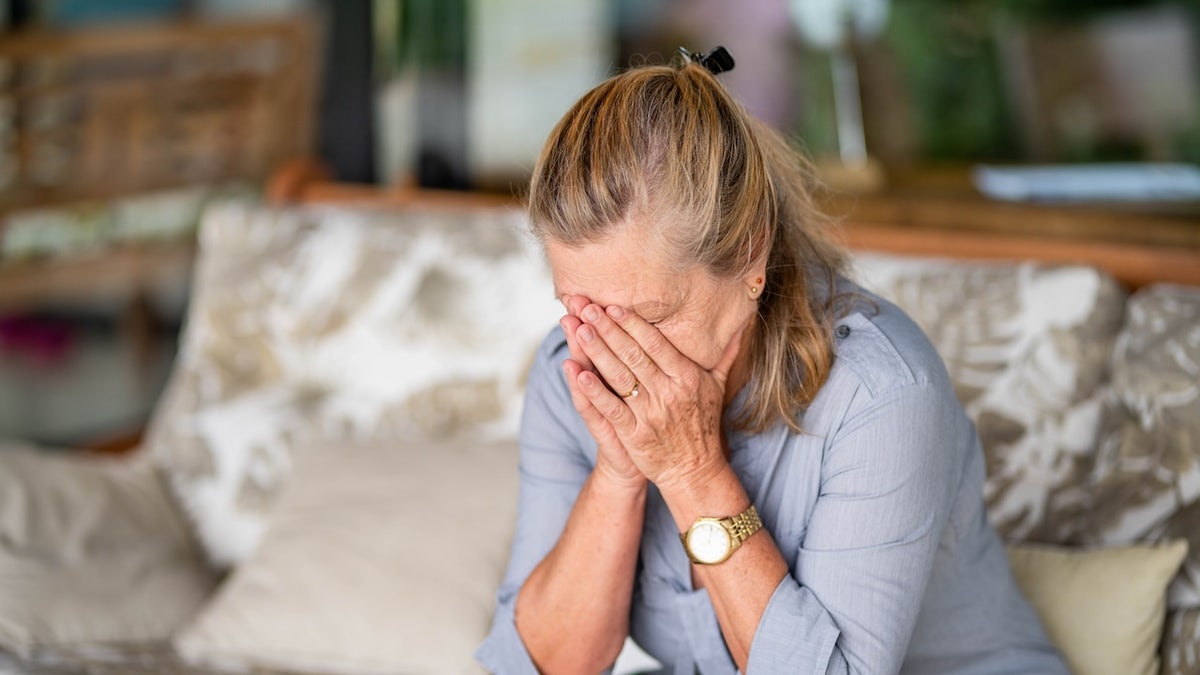
In addition to the physical consequences, the doctor noted that stopping a weight-loss drug can take a heavy toll on mental health. (iStock)
When the medication isn’t right for them — adding to a history of past weight-loss setbacks — experiencing a “regression on all fronts” can be “really devastating from a mental health standpoint,” Dumont said.
“It can make you feel disheartened and like you don’t have the control you thought you did,” he added.
No. 6: Loss of health protection
An observational study published in BMJ Medicine found that adults with type 2 diabetes who stopped GLP-1 treatment had a higher risk of major cardiovascular events than those who continued. Longer periods without treatment were associated with greater risk.
Dumont noted that the stakes of stopping a GLP-1 go far beyond weight, pointing to the broader risk of losing metabolic benefits.
CLICK HERE TO SIGN UP FOR OUR HEALTH NEWSLETTER
While taking a GLP-1, lower inflammation and improved cholesterol and blood sugar levels help reduce the risk of major events like heart attacks and strokes, the doctor said.
“But again, if you stop the medicine and you haven’t changed the way that you eat, then all of those numbers can worsen … and that can then increase the risk of those bad things happening — things that can be devastating from a life quality standpoint, but also can shorten your life,” he warned.
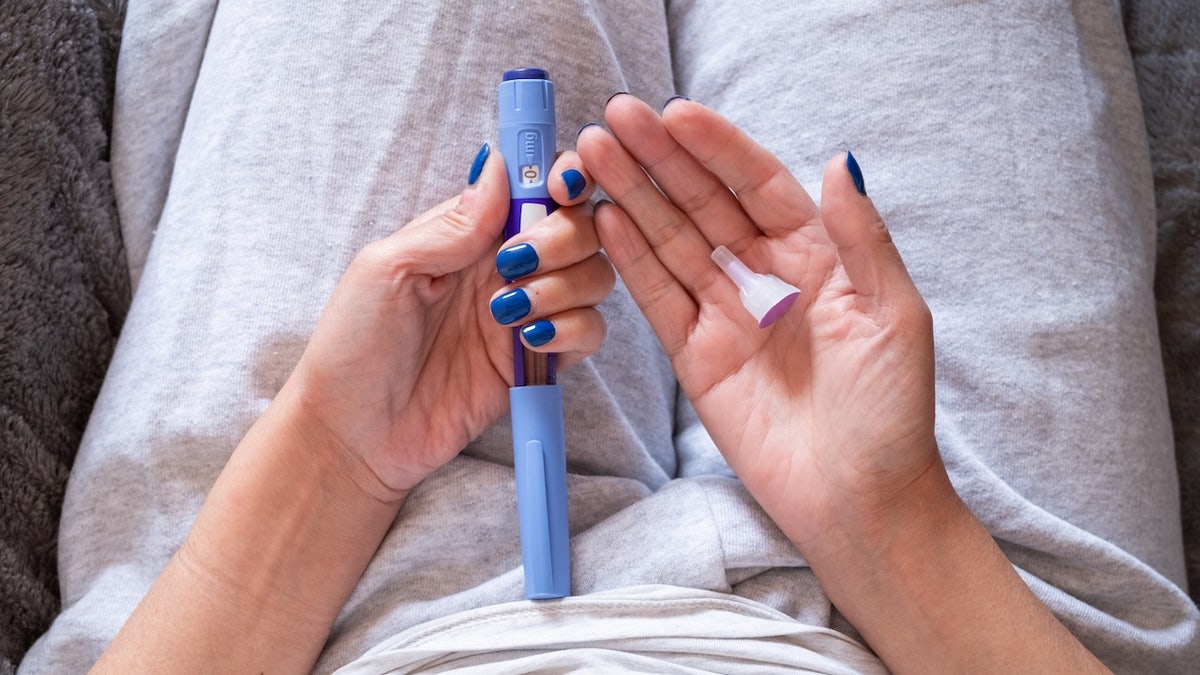
An observational study published in BMJ Medicine found that adults with type 2 diabetes who stopped GLP-1 treatment had a higher risk of major cardiovascular events than those who continued. (iStock)
Making your progress last
Reaching metabolic goals and making lasting lifestyle changes may help patients maintain their progress after stopping a GLP-1, according to Dumont.
“We actually have peer-reviewed published data demonstrating that you can indeed stop one of these medications when you reach your metabolic goals,” he said.
CLICK HERE TO DOWNLOAD THE FOX NEWS APP
The Virta-affiliated observational study examined selected patients with type 2 diabetes in a structured nutrition program, so the findings may not apply to all GLP-1 users.
The doctor recommended adopting sustainable eating habits before stopping a GLP-1.
TEST YOURSELF WITH OUR LATEST LIFESTYLE QUIZ
“The GLP-1 is not the only solution,” he said. “It needs to be coupled with … a way of eating that’s going to work for you for the long term that allows you to stop the medicine successfully if you need to.”
Dumont recommended working with the prescribing clinician on a plan for stopping treatment and monitoring weight and blood sugar afterward.