
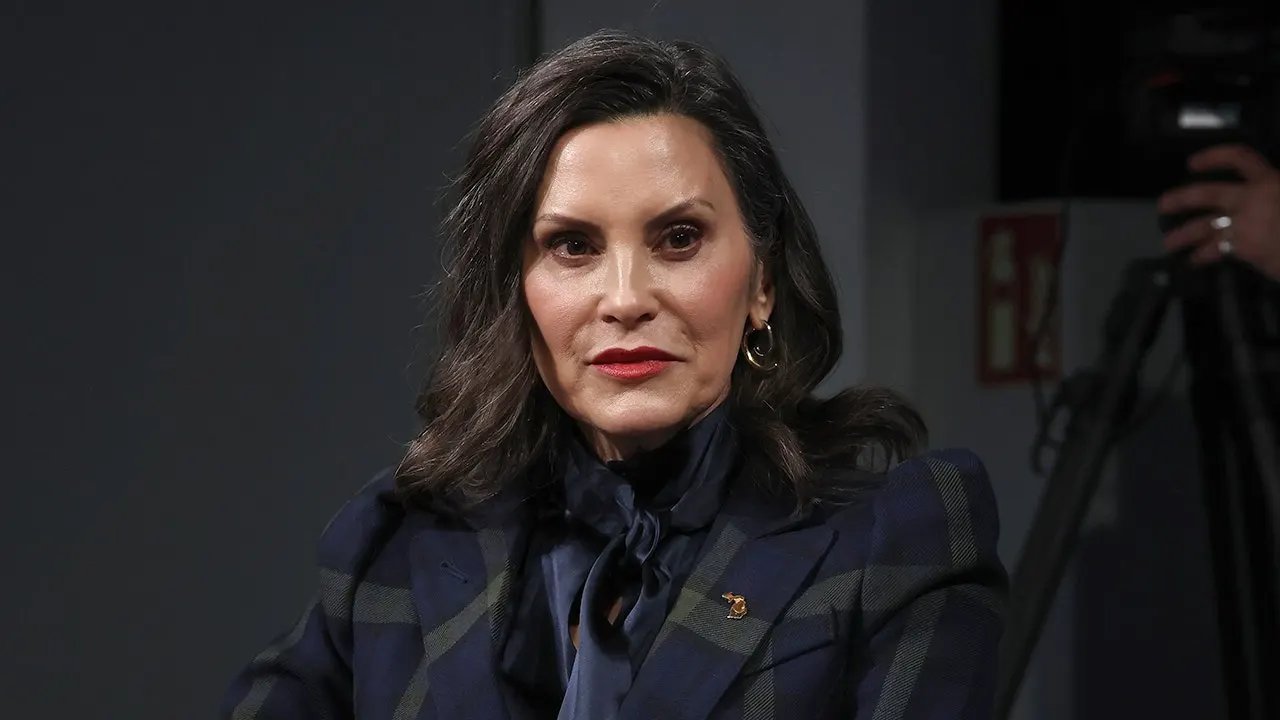

Frank DeVito, senior counsel at Napa Legal. (Napa Legal)
NEWYou can now listen to Fox News articles!
FIRST ON FOX: Michigan has been ranked last in the nation for legal protections affecting faith-based nonprofits, while Alabama took the top spot in Napa Legal Institute’s 2026 Faith and Freedom Index, according to a new report obtained by Fox News Digital that highlights unexpected differences between Republican- and Democratic-led states.
The 2026 Faith and Freedom Index, released Monday by Napa Legal Institute, evaluates laws in all 50 states and Washington, D.C., that affect religious organizations, including churches, religious schools, pregnancy resource centers and homeless shelters.
The findings, shared with Fox News Digital, show Michigan receiving an overall score of just 34%, followed by Washington at 38% and Massachusetts at 41%.
SUPREME COURT OFFERS SUPPORT FOR CATHOLIC PRESCHOOLS CHALLENGING STATE FUNDING REQUIREMENTS
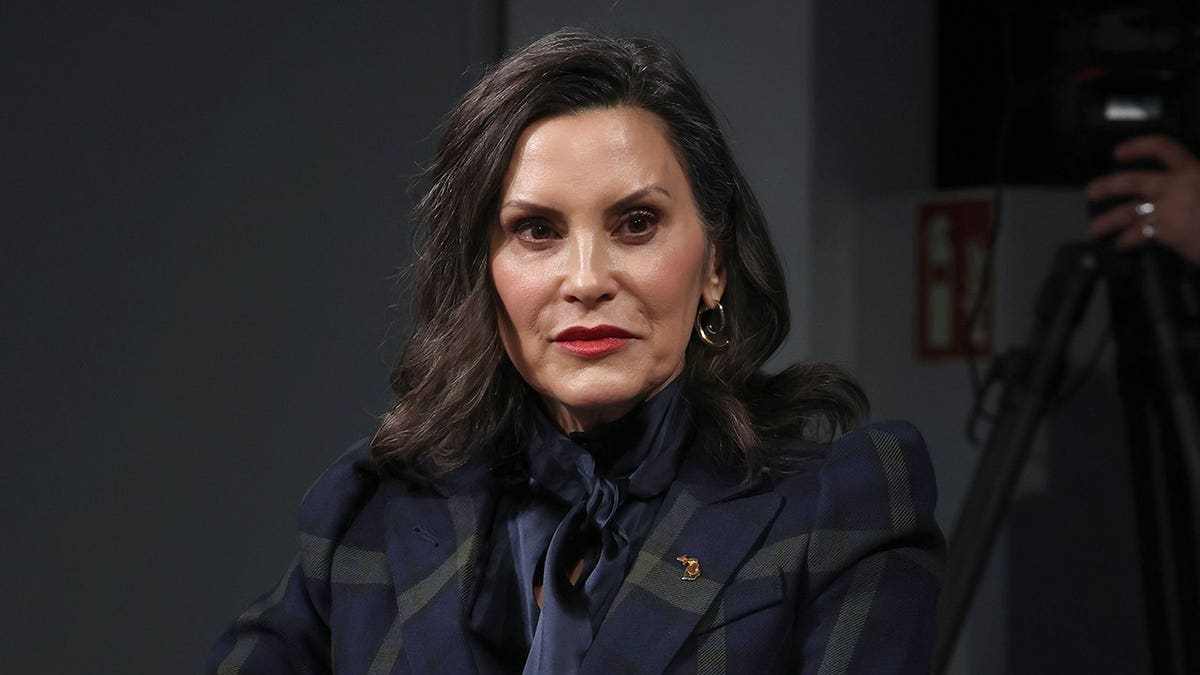
Michigan Gov. Gretchen Whitmer at the 62nd Munich Security Conference on Feb. 13, 2026 in Munich, Germany. Michigan has been ranked the worst state in America for religious freedom protections affecting faith-based nonprofits in the 2026 Faith and Freedom Index, released by Napa Legal Institute. (Sean Gallup/Getty Images)
Napa Legal senior counsel Frank DeVito told Fox News Digital that Michigan’s low score reflects what he described as burdensome nondiscrimination requirements, inadequate religious exemptions and regulatory obstacles affecting faith-based organizations.
DeVito said Michigan law can create conflicts for Catholic schools and other religious institutions seeking to make hiring and admissions decisions consistent with their beliefs.
He also pointed to financial reporting requirements that he said can impose significant costs on religious nonprofits, potentially diverting resources away from education, charitable services and assistance to vulnerable communities.
At the opposite end of the rankings, Alabama led the nation with 80%, followed by Kansas at 76%, Indiana at 75% and Texas at 71%.
WASHINGTON FOSTER PARENTS SCORE LEGAL VICTORY AFTER STATE DEMANDED THEY USE CHILDREN’S PREFERRED PRONOUNS
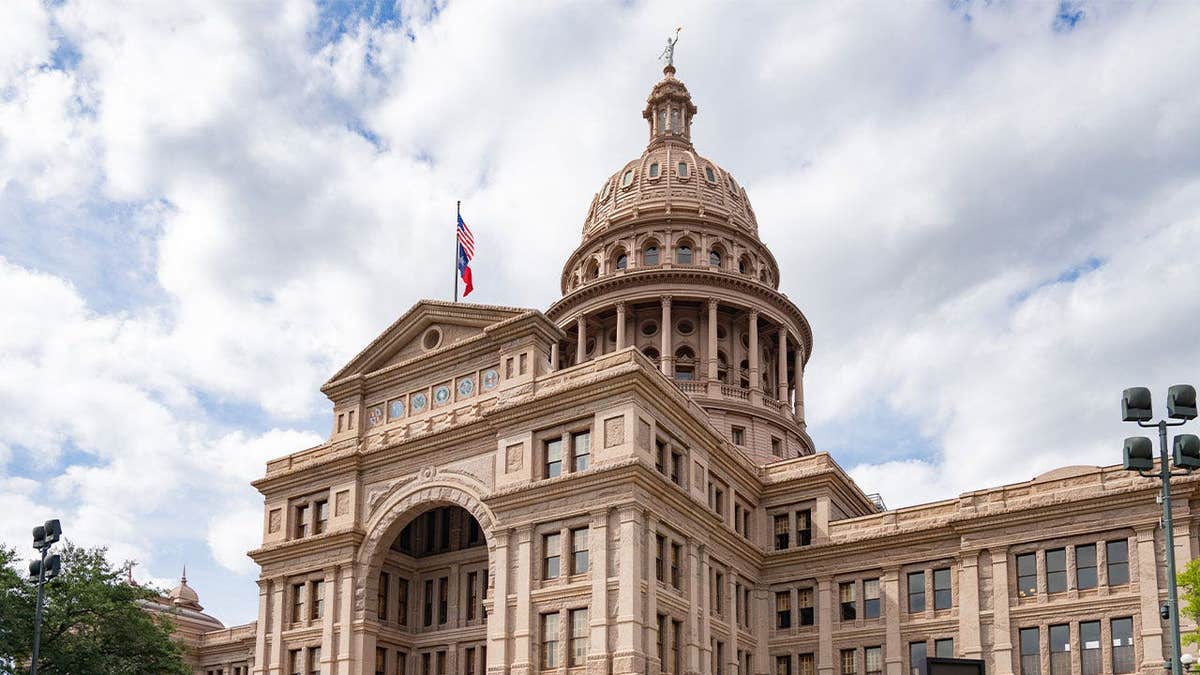
The Texas State Capitol in Austin. Texas received a score of 71% in the 2026 Faith and Freedom Index. (AaronP/Bauer-Griffin/GC Images)
But some of the report’s most striking findings defy traditional political expectations.
New York, a Democratic-led state, scored higher overall than Republican-led North Dakota, South Carolina and Tennessee, while some traditionally conservative states trailed Democratic-led states in certain categories of legal protections.
DeVito said New York has stronger exemptions from “nondiscrimination” laws in employment and public programming than Tennessee and that a New York state court ruling found the state’s constitution provides greater protections for the free exercise of religion than the federal First Amendment.
CATHOLIC NUNS SUE NEW YORK, SAY ASSISTED SUICIDE LAW FORCES THEM TO VIOLATE THEIR FAITH

The U.S. Supreme Court is seen at sunset on Nov. 6, 2026 in Washington, D.C. (Kevin Carter/Getty Images)
The findings underscore how state laws, not just Supreme Court decisions or congressional legislation, can shape the ability of religious organizations to operate, according to Napa Legal.
According to Napa Legal Institute, several states have strengthened protections for faith-based nonprofits in recent years.
ONE OF NATION’S LARGEST CHRISTIAN FOSTER AGENCIES WILL NOT ALLOW LGBTQ COUPLES TO ADOPT CHILDREN

Gov. Ron DeSantis holds a press conference at the State Emergency Operations Center regarding Hurricane Isaias on Thursday, Oct. 8, 2026. Florida received a score of 67% in the 2026 Faith and Freedom Index. (USA TODAY Network via Reuters)
In Florida, lawmakers updated the state’s nonprofit corporation laws to clarify that directors of religious organizations can seek guidance from faith leaders, including priests, ministers and rabbis, when making decisions involving religious matters.
Meanwhile, Massachusetts and Rhode Island eased certain financial reporting requirements for nonprofits. Massachusetts increased the annual revenue threshold that triggers a mandatory independent audit for nonprofits raising funds in the state from $200,000 to $500,000, while Rhode Island doubled its audit threshold from $500,000 to $1 million, according to the institute.
DeVito stressed the importance of lawmakers establishing lasting legal protections for religious organizations, arguing that churches and faith-based nonprofits provide essential services.
VERMONT PAYS $566K IN DAMAGES, LEGAL FEES TO CHRISTIAN SCHOOL IT BANNED FROM ALL SPORTS COMPETITIONS FOR YEARS
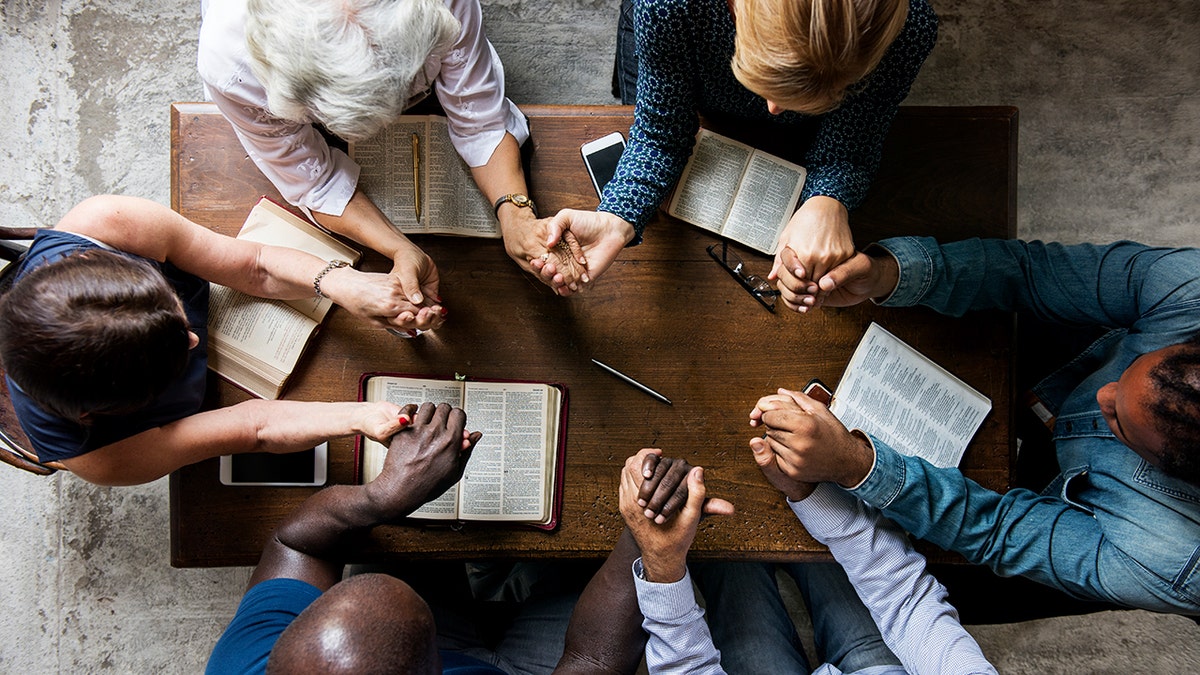
Napa Legal senior counsel Frank DeVito said it is important for churches not to be shackled by burdensome regulations so that they can do their work without hindrance. (iStock)
“For policymakers and government leaders, it’s really important to put these laws on the books because the church, the religious organizations do needed work,” DeVito said. “They educate children often in poor and disadvantaged circumstances. They feed the hungry, they help the most vulnerable people in society. They do something with the level of love and attention that the government never can.”
“We need religious organizations to thrive,” he continued. “If we are not attentive to the laws being such that these organizations can just do their work rather than spend their time and their money and their resources on administrative burdens that I think are frankly not necessary or fighting lawsuits over, you know, religious liberty issues that they shouldn’t have to fight.”
DeVito warned that burdensome regulations and costly legal battles can divert time and resources away from religious organizations’ missions, ultimately hurting society as a whole. He urged lawmakers in both parties to prioritize stronger religious liberty protections, including exemptions from certain nondiscrimination laws and tax requirements, even when doing so presents political or budgetary challenges.
CLICK HERE TO DOWNLOAD THE FOX NEWS APP
Fox News Digital reached out to Michigan Gov. Gretchen Whitmer for comment on the report but did not immediately receive a response.