NEWYou can now listen to Fox News articles!
Some estimates show the U.S. has used more than half of its stockpiles for some weapons systems in the war with Iran. The Center for Strategic and International Studies found the U.S. has enough missiles to continue fighting in Iran under any plausible scenario, but the group says the true issue with the shrinking stockpiles is future wars.
“We can go on against Iran for quite a long time, even if we’ve used half the inventory, that means that half the inventories are still available,” said retired U.S. Marines Colonel and senior adviser with the CSIS Defense and Security Department Mark Cancian. “The risk is about a future conflict in the Western Pacific against China.”
Cancian points to reports that military officials have grown more concerned over the U.S. weapons inventory when factoring in other possible conflicts, such as one with China.
WEAPONS STOCKPILE SHORTAGES IMPACTING MILITARY STRATEGY IN THE MIDEAST
“The depletion of munitions was a major topic and a major reason for the suspension of air attacks,” Cancian said. “Our inventories were getting way below what the war planners wanted, that might encourage China to do something.”
Almost one-third of Tomahawk missiles have been used since the war in Iran began. Nearly two-thirds of patriot missile interceptors have been depleted. Just over half of precision strike missiles remain. President Donald Trump insists the U.S. has plenty of munitions to continue in Iran.
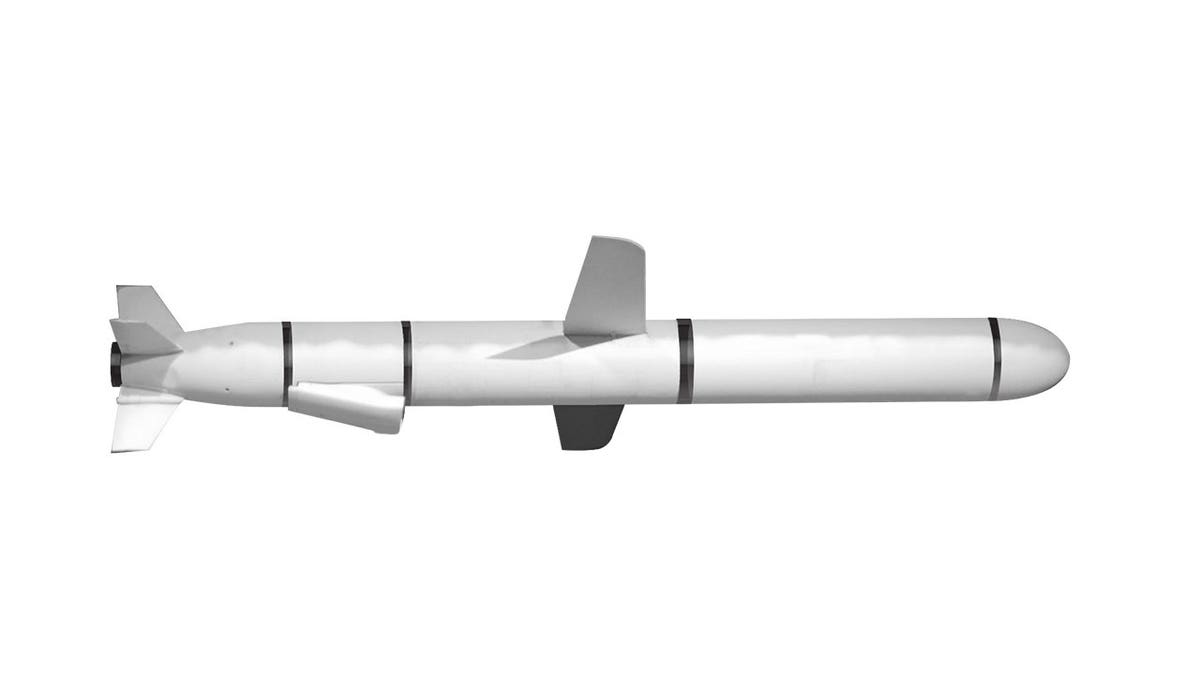
A rendered image of a Tomahawk missile. (Provided to Fox News Digital)
“We have a lot of ammunition, different types,” President Trump said in July. “I mean, more than we could ever use, no matter what. But we have a lot, I’d like to have more, to be honest.”
HEGSETH DISMISSES ‘FOOLISH’ US STOCKPILE CONCERNS AS IRAN CONFLICT TESTS MUNITIONS
CSIS notes many munition stockpiles are substantial but focused its analysis on seven key weapons that have been effective in Iran and would also be valuable in a possible Pacific conflict.
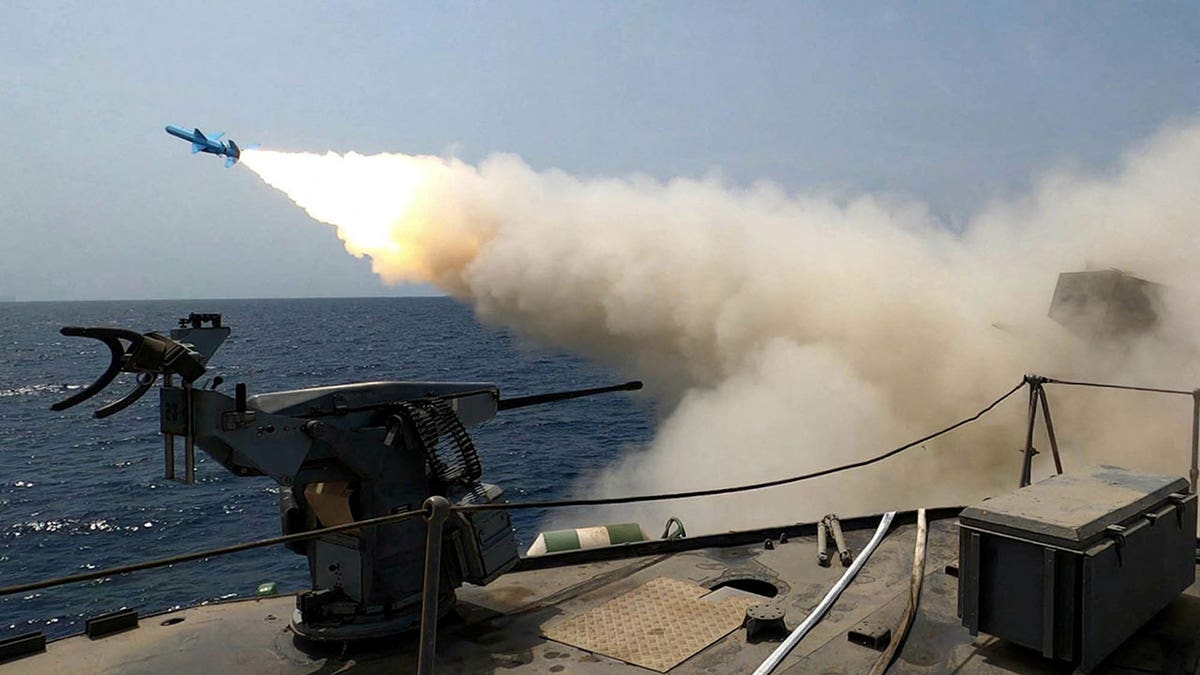
An Iranian missile is launched during a military exercise in an undisclosed location in Iran, August 20, 2025. (Iranian Army/WANA (West Asia News Agency)/Handout via Reuters)
“We have a defense industrial base that needs to be fixed at a very critical time in our history with the conflict in the Middle East,” Rep. Michael McCaul, R-Texas, said. “President Xi of China is watching our stockpiles very closely as he contemplates threatening behavior towards the Taiwan straits and so. It all kind of factors in together here. And to be a strong United States, we need a strong military and project strength abroad.”
The Pentagon is requesting significant increases in spending for weapons manufacturing and lawmakers from both sides of the aisle believe the funding is of importance.
TRUMP IS PROVING THAT THE WAY TO BETTER OUR MILITARY IS TO SECURE OUR SUPPLY CHAINS
“Look, I have real concerns about our defense industrial base, and God forbid we find ourselves in a lengthy, serious war in our ability to produce what we need,” Rep. Chris Deluzio, D-Pa., said. “I actually think it’s a place where you can get some cooperation across the parties who want to see us re-industrialize.”
The Pentagon’s budget request for FY2027 includes $5.8 Billion for Tomahawk missiles, an increase of 513% from the FY2026 request. Proposed spending for precision strike missiles is 245% higher, Terminal High Altitude Area Defense (THAADS) is up 650% and the request for Patriot Missile Segment Enhancement is 927% higher.
“Listen, if it’s a $1.5 trillion package for defense, I’m all in. I really am,” Rep. Troy Nehls, R-Texas, said. “The munitions are going to be there. We’re going continue to do what we have to do to protect the world, protect Israel and everybody else in the region.”
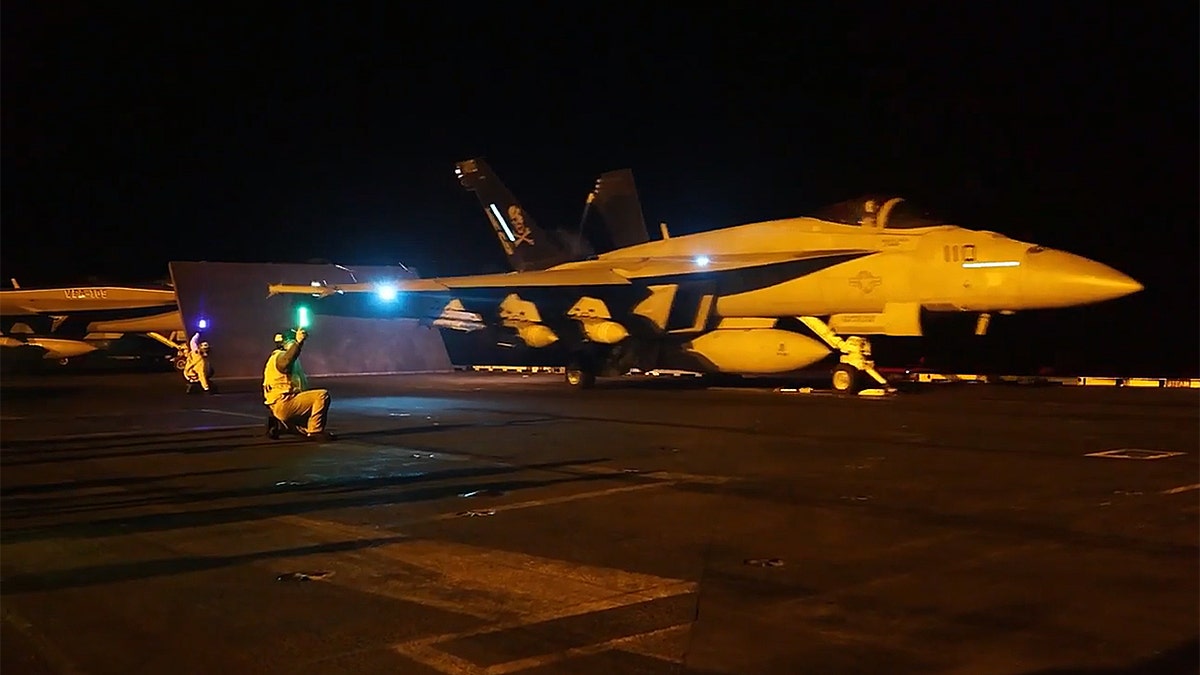
U.S. Central Command said it carried out another wave of airstrikes against Iran on Friday, July 17, 2026. (CENTCOM)
If and when the funding is approved, it could take years for the new munitions to reach the battlefield.
“It takes quite a long time for the U.S. to produce new interceptors. They’re complex manufacturing assemblages, and thus depleting those stockpiles does leave the U S materially worse off than it otherwise would have been in the current conflict,” said UC Berkeley Senior Research Scholar Cameron Tracy.
The Patriot missiles requested in the FY2027 budget likely will not be available on the front line for another 3-and-a-half years. The Tomahawk estimated delivery time sits at almost four years. Some munitions orders could take as long as five years.
FOLLOW US ON X
CLICK HERE FOR MORE U.S. NEWS
“Before the war, it would typically take about two years for the first system to arrive and then another year after that for the last,” Cancian said. “You have to sign a contract and then the manufacturer has to go out with the subcontractors and get all the materials. With the war, those timelines have been extended.”
CLICK HERE TO DOWNLOAD THE FOX NEWS APP
The Trump administration has created framework agreements with contractors to increase production capacity for key munitions. The deals call for new facilities, ambitious timelines and additional weapons systems.
“You can increase production capacity, we are doing that, [for] Patriot and many other systems. First, you have to recruit more people and train them up,” Cancian said. “Then you can expand your facilities, but that takes time. You got to build the facilities, and you got to get all the permits and everything else. So, it can be done. We’re seeing it happen, but again, it takes time.”