
NEWYou can now listen to Fox News articles!
Dolly Parton’s death on Tuesday followed a brief bout with cancer, according to statements from her family.
“After bravely facing a brief battle with cancer, Dolly departed her Earthly life today at the Vanderbilt-Ingram Cancer Center surrounded by loved ones,” the family shared with People.
The revelation of the singer’s previously undisclosed cancer battle raises questions about why some patients choose to keep a diagnosis private, even as public figures’ health struggles can spark wider awareness.
DOLLY PARTON DEAD AT 80
Dr. Kristin Higgins, chief clinical officer at City of Hope Cancer Center in Atlanta, surmised that Parton may have preferred for people to remember her for her “amazing career” and not for a diagnosis at the end of her life.
Keeping the disease private at first is a “very natural response,” Higgins said, as a diagnosis can be very overwhelming.

Dolly Parton’s death on Tuesday followed a brief bout with cancer, according to statements from her family. (Getty Images)
“It’s very natural to cling to that identity of being a healthy, vibrant person without a diagnosis of cancer,” she told Fox News Digital.
“The patient really needs to acclimate to the idea of themselves having this disease, and then start to tell friends and family kind of slowly after they go through that adjustment process.”
CANCER TREATMENT DELAYS SURGE ACROSS US AS DOCTOR WARNS SYSTEM ‘NEEDS FIXING IMMEDIATELY’
In some cases, Higgins said, people may withhold a cancer diagnosis due to some degree of shame or embarrassment.
“Things like tobacco-related cancers, unfortunately, still carry a lot of stigma when diagnosed,” she shared. “Patients may feel that it was their fault. And the reality is nobody deserves a cancer diagnosis.”

An oncologist surmised that Parton may have preferred for people to remember her for her “amazing career” and not for a diagnosis at the end of her life. (Getty Images)
There are some benefits, however, to eventually sharing a cancer diagnosis with friends, family and community who can rally around the patient, according to the doctor.
“For example, for people who are religious, letting their greater circle know about that diagnosis can be really helpful, as people will pray for them as they’re going through the journey of treatment,” Higgins said.
CLICK HERE TO SIGN UP FOR OUR HEALTH NEWSLETTER
“I think overall, it’s a very beneficial thing to eventually tell as many people as possible so you can get that support.”
The doctor also agreed that sharing a cancer journey can raise awareness and provide support to others facing the same challenge.
“It’s very natural to cling to that identity of being a healthy, vibrant person without a diagnosis of cancer.”
“If you are somebody with a cancer diagnosis and you’re beating it and you are going through treatment successfully, other people seeing that — whether it’s on social media or hearing it through a friend — that can be really helpful to an individual as they’re facing a new cancer diagnosis,” Higgins said.
CLICK HERE FOR MORE HEALTH STORIES
Another benefit of disclosing cancer is that it may open up more opportunities for treatment options.
“There are so many resources out there now … clinical trials are really what moved the needle in the cure rates for cancer, and finding out about these trials is not easy,” Higgins noted.
TEST YOURSELF WITH OUR LATEST LIFESTYLE QUIZ
“So the more people who know about your diagnosis, you have all these cheerleaders out there rooting for you and you can get more information. You can hear more people’s opinions about where you could seek the best cancer treatment.”
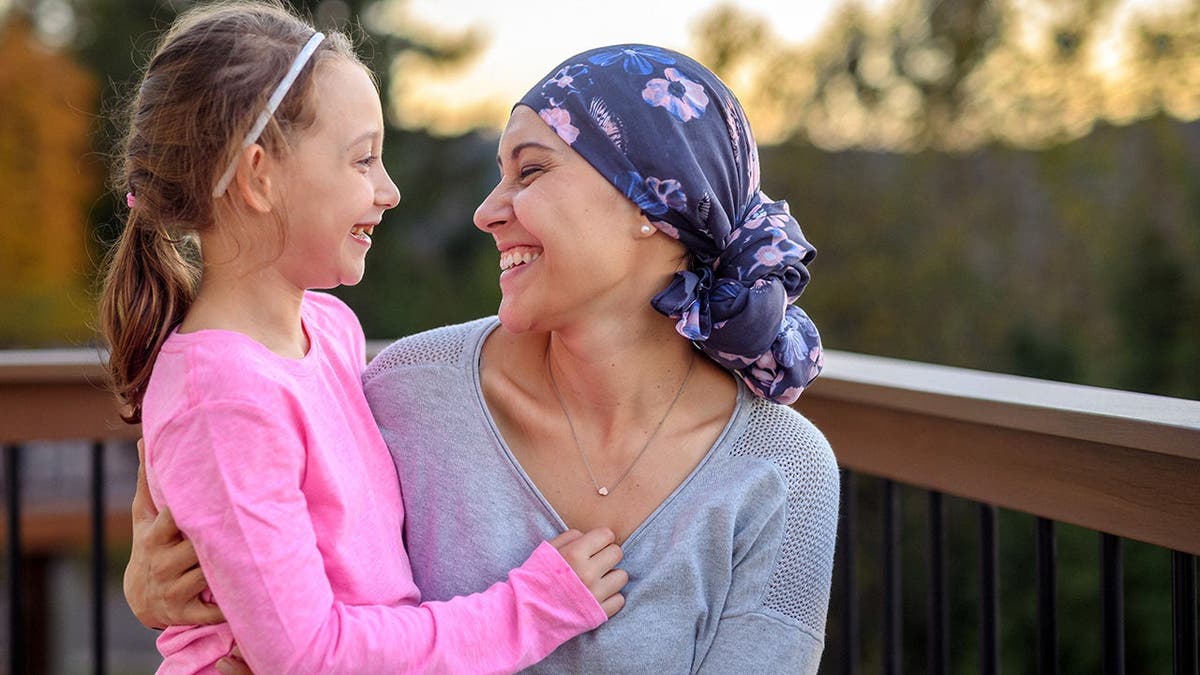
“Our statistic is that 70% of people diagnosed with cancer will survive five years or more,” the oncologist said. (iStock)
The doctor emphasized that there is more hope than ever for people facing a cancer diagnosis.
CLICK HERE TO DOWNLOAD THE FOX NEWS APP
“Our statistic is that 70% of people diagnosed with cancer will survive five years or more,” she said. “And we can do it, we can get through it.”
“I think that’s the beauty of sharing this diagnosis with the world, is that we can get all the support we need.”