
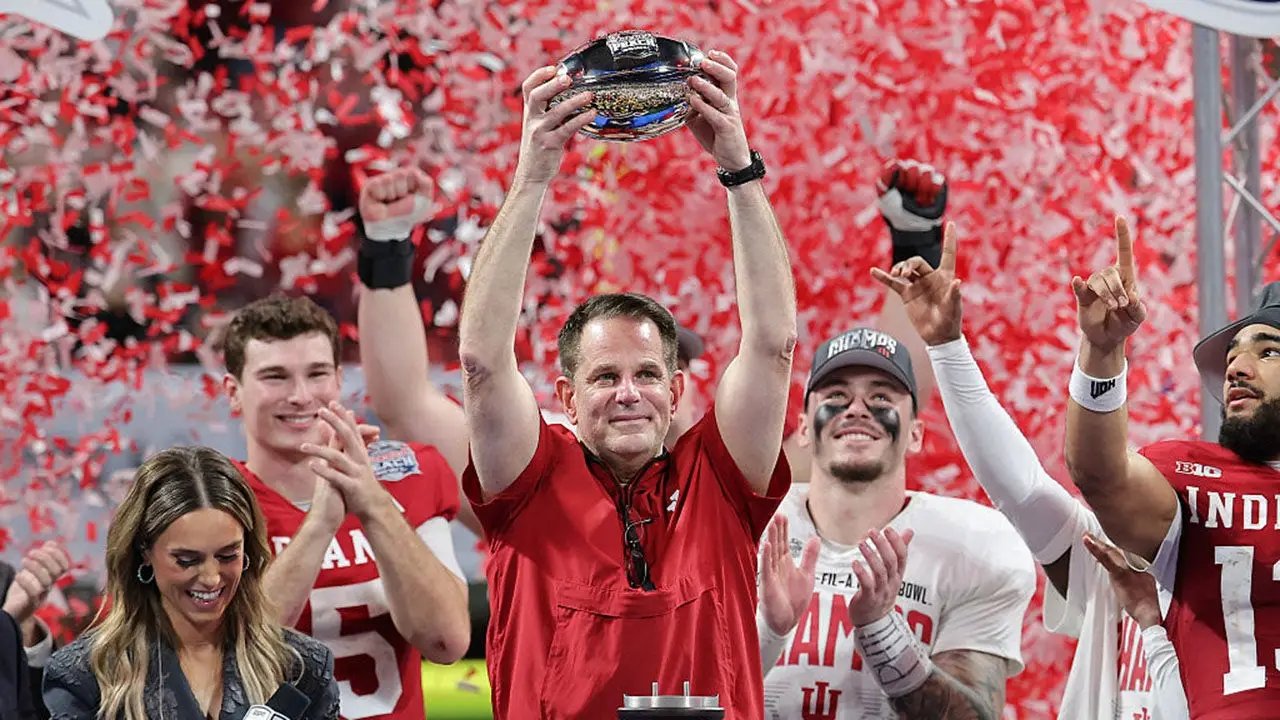
Coming out of their meetings this week at Big Ten headquarters, the College Football Playoff committee is now formally waiting to see what ESPN is willing to offer for an expansion from 12 teams to 24.
Only two years into this newer format, we’re already pressing the issue of whether a quick jump is needed to suffice those who are struggling during these new times in college athletics where money seems to be the biggest conundrum.
This page may contain affiliate links to legal sports betting partners. If you sign up or place a wager, FOX News may be compensated. This content was created by a team that works independently from the FOX newsroom.
Now, with a straight face, those in favor of expanding the playoff want you to think it’s anything other than a money grab during an era in which schools are having to find different ways to raise capitol.
INSIDE THE FIGHT: NIL ARMS RACE FUELING NEW PUSH FOR COLLEGE FOOTBALL PLAYOFF EXPANSION
No, this is not affecting some of the more prestigious schools in college athletics, who essentially print money in the bowels of their athletic department buildings.
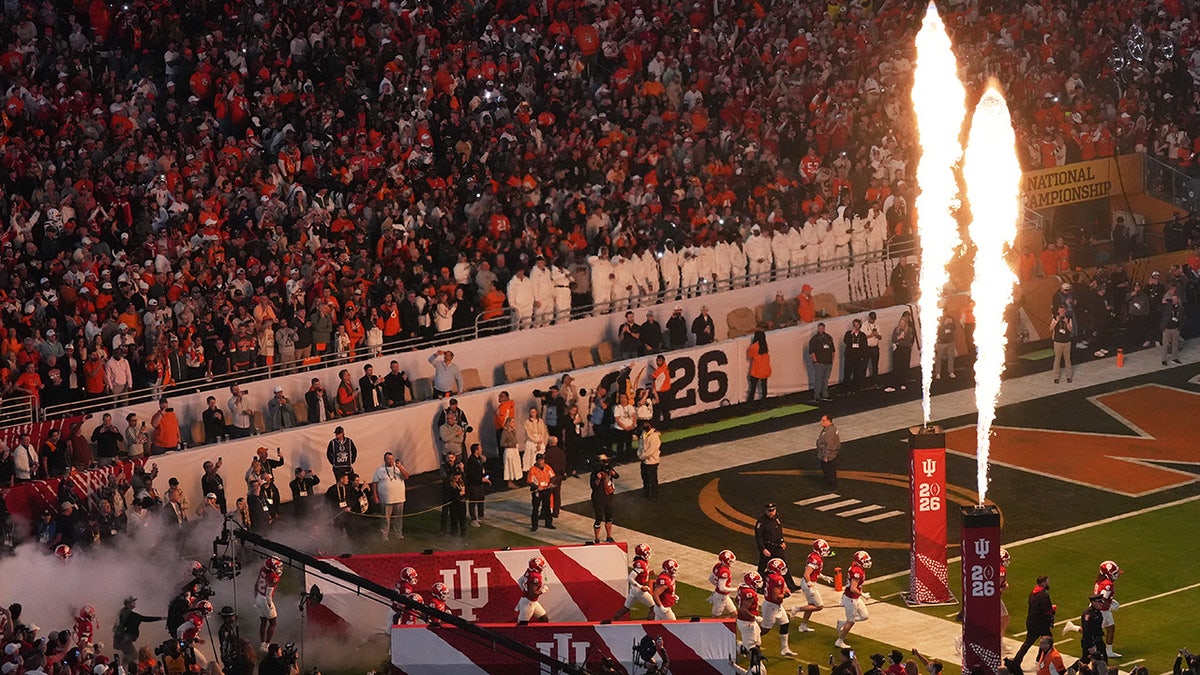
Indiana takes the field against Miami before the College Football Playoff national championship game between Miami and Indiana, Monday, Jan. 19, 2026, in Miami Gardens, Florida. (AP Photo/Marta Lavandier)
But, for those schools who are working overtime to create additional sources of income to pay for stadium renovations, house-settlement payouts, expensive contracts and who are also being dragged through the mud by bad television deals, the time has come to make a trip back to the bank teller in order to take out more funds.
I guess we can call it an additional line of credit, or a hardship withdrawal.
The formal offers for CFP expansion are going to cause a rift
Right now, with the 30-day negotiating window coming to a close over the next week, ESPN is putting together an offer the network hopes will suffice those who are making the decisions on whether or not to expand the playoff.
On the other hand, networks and streaming platforms outside Bristol are banking on conferences like the SEC and Big Ten not taking ESPN up on their offer, which would then take the CFP expansion to the open market.
And yes, networks like FOX are hoping their contract with the Big Ten pays off by having these negotiations extend past October 9th, which would allow them to get in on the bidding.
GREG SANKEY MAKES IT CLEAR THAT SEC DIDN’T START THE 16-TEAM CFP FORMAT DISCUSSION, THAT’S ON THE BIG TEN
Now, I’m not implying that them, or streaming platforms, would come to the table with a sizable offer that would force CFP leaders to think twice about accepting ESPN’s deal. These conferences are smart enough to already know what each network is willing to offer.

ESPN College GameDay analyst Pat McAfee and Nick Saban stand on the lawn of Ayres Hall at the University of Tennessee in Knoxville, Tenn., on Sept. 26, 2026. (Getty Images)
Remember, SEC television rights are owned by the four-letter network, while the Big Ten is under contract with FOX.
INSIDE THE SEC’S HIGH-STAKES DESTIN SHOWDOWN OVER CFP EXPANSION, NIL AND A POSSIBLE NCAA BREAKAWAY
It just so happens that the two conferences who will end up making the final decision, thanks to the power bestowed upon them last year in an agreement with the Big 12, ACC, Notre Dame and G-6, are sitting on the opposite sides of what their television partners would be presenting.
Remember, this is for the good of college football….
I would hope by now that fans of this cherished sport would see right through the nonsense that is being spewed through either backchannel communications or the interviews given over the course of the past year.
This talk of expansion, which is more than just chatter at this point, essentially flipped within a three-month stretch dating back to CFP meetings around the national championship game last year in Miami. One minute, most are in agreement that a sixteen-team model would be the wise move.
Then, after realizing how cash-strapped a large chunk of these schools were, the conversation shifted towards the Big Ten’s idea of 24-teams.
GREG SANKEY INSISTS SEC IS ‘STRONGEST LEAGUE’ DESPITE BIG TEN WINNING THREE STRAIGHT NATIONAL CHAMPIONSHIPS
The twelve-team format didn’t have a chance to be enjoyed before we were already discussing expansion, as if college football needs to resemble March Madness.
“I was in the group that took it from four to 12 teams—and that was monumental,” SEC commissioner Greg Sankey told John Ourand. “And it’s worked really well. I think the timing of that implementation was, if not perfect, as close to perfect as you’ll get. So we’re two years through the 12-team playoff. We put games on campus in the postseason for the first time at the FBS level. We haven’t been successful in the final game, but we’ve been better represented than any other conference. There are a lot of ideas, and our concerns relate to how you manage the economics. Is there value in 24 or not?
“I don’t think people understand the difficulty of going week to week to week to week in December. … We’ve looked at it and said CFP selection decisions are negatively impacting regular-season scheduling, particularly big non-conference games. That needs to be addressed first, and also the economics, what we do with conference championship games, where the games fit, and understanding the impact.”
It’s not just as simple as accepting a deal from a television network
But, there are plenty of people who want to make you think that more teams will create stronger parity in the sport, which will then force teams to increase their budgets to compete on a yearly basis.
For this to happen, expanding the CFP, conferences will have to get rid of championship weekend. This means, the SEC would have to buy its way out of contracts with companies like Regions, Dr. Pepper, Allstate, Bush’s Beans, Johnsonville, Mercedes-Benz Stadium and a plethora of others who signed deals to sponsor the event.
EXCLUSIVE: CLARK LEA SAYS COLLEGE FOOTBALL WILL HAVE TO SACRIFICE TRADITION IN EXCHANGE FOR CFP EXPANSION
And, don’t forget about the money made from the game itself, which grosses around $100 million for the conference, with a television deal with ESPN included. The same can be said for the Big Ten, who plays their title game inside Lucas Oil Stadium every year, and provides a major economic impact for the city of Indianapolis.
When the ‘Protect College Sports Act’ inserted a new amendment that would essentially double the amount of money each school was allowed to spend, from around $22 million to upwards of $45 million, the writing was on the wall.
And please, save us with the talk of how this is only going to strengthen the sport of college football. There aren’t 24-teams worthy of vying for a national championship. Heck, there aren’t 16 teams who are truly capable of hoisting a CFP trophy at seasons end.
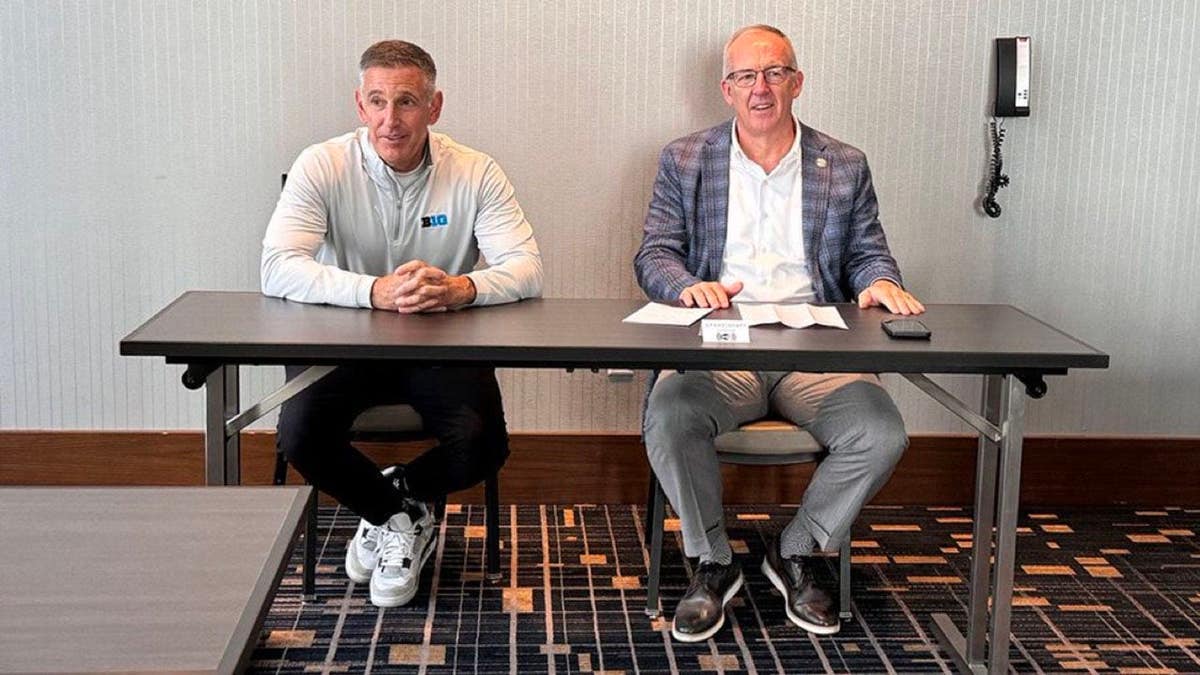
SEC commissioner Greg Sankey and Big Ten commissioner Tony Petitti meet with reporters during a joint press conference in Nashville, Tennessee (Trey Wallace/FOX NEWS)
CLICK HERE TO DOWNLOAD THE FOX NEWS APP
And where exactly are they going to get this money? Are they striking oil in Kentucky or Iowa? Did Walmart all the sudden start funding the Arkansas football roster without us paying attention?
Is Texas Tech booster Cody Campbell going to start helping out other schools in the state so they can compete on a yearly basis?
No. This feels more like the 2008 financial crisis where the government decided a cash-infusion could help stabilize the market, this time in the form of a television agreement that leads to more teams making the postseason.
Just because you slap a CFP logo on a first round game that pits James Madison against Virginia Tech doesn’t mean it will equal ratings.
We’ll see what transpires over the next two months, as the December 1st deadline looms for a decision on expansion.
I look forward to those teams who are eliminated in the first round of a 24-team playoff with an 8-5 record hanging a CFP banner in the practice facility.