NEWYou can now listen to Fox News articles!
Wait times between a cancer diagnosis and the start of treatment grew by nearly two weeks over the past decade in the U.S., according to a recent study published in JAMA Surgery.
Researchers from the University of California, Los Angeles and Massachusetts General Hospital analyzed national data from more than two million patients diagnosed between January 2012 and December 2023.
The study tracked adults with early to locally advanced stages of six common cancers (breast, colon, lung, pancreatic, stomach and esophageal) who received surgery as part of their initial care.
WHERE YOU LIVE COULD SHAPE YOUR RISK OF CANCER MORTALITY, STUDY SUGGESTS
Researchers measured wait times from the day of the diagnosis to the first treatment, whether that was a surgery or pre-surgical therapy designed to shrink a tumor.
Across all six cancer types, median wait times grew by more than 10 days over the study period, regardless of whether surgery came first or followed other treatments.
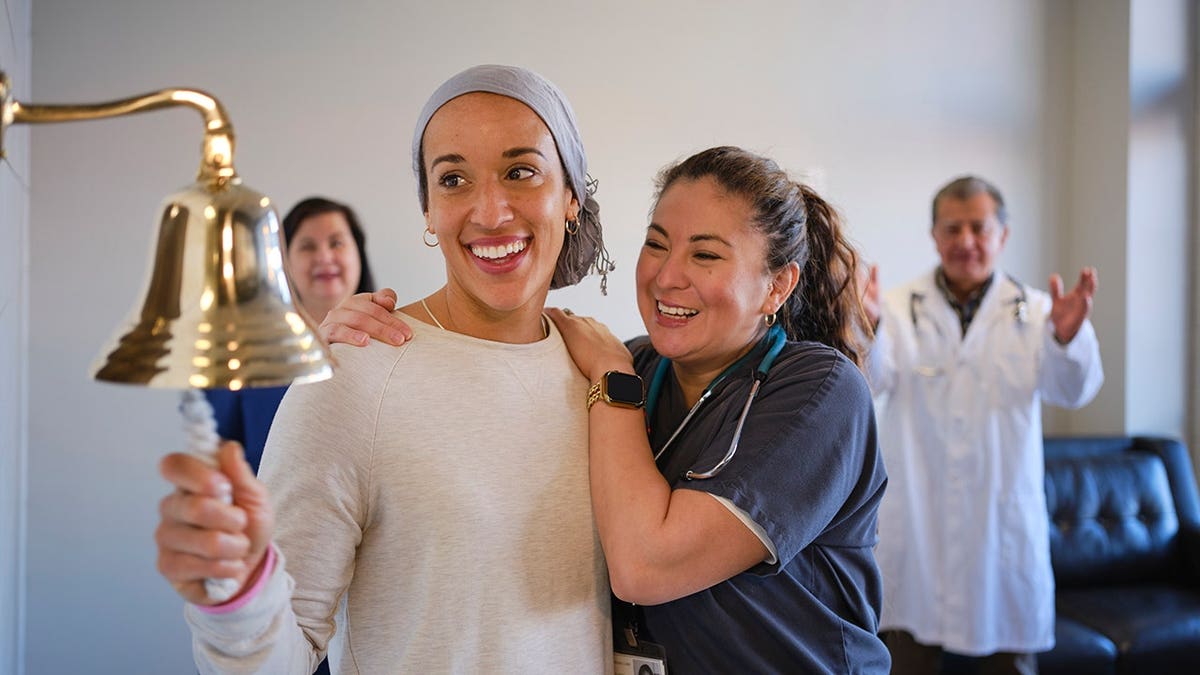
Using National Cancer Database data from 2012 to 2023, researchers evaluated treatment delays in a cohort of over 2.7 million U.S. patients. (iStock)
The longest increases occurred in stomach cancer, where wait times rose from 35 days to 49 days, and lung cancer, which increased from 41 days to 53 days. Breast cancer wait times grew from 34 to 45 days, while colon cancer delays increased from 20 to 31 days.
CANCER WARNING SIGNS MAY APPEAR IN DNA YEARS BEFORE BLOOD TESTS DETECT TROUBLE
Pancreatic cancer waits climbed from 23 to 32 days, and esophageal cancer delays grew from 38 to 48 days. The researchers also found that a growing share of patients waited 60 days or longer to begin treatment.
“This is part of our healthcare system that needs fixing immediately,” Dr. Marc Siegel, Fox News senior medical analyst, told Fox News Digital.
TEST YOURSELF WITH OUR LATEST LIFESTYLE QUIZ
The delays were even seen at high-volume academic medical centers, noted Siegel, who was not involved in the study.
“The waiting times for basic cancer operations in non-metastatic diseases is high and increasing since 2012,” he added.

Median waiting times from diagnosis to the start of first-course therapy increased by more than 10 days across all six evaluated cancer types over the study period. (iStock)
After adjusting for factors like age and underlying health, researchers found the delays did not affect all groups in the same way.
Longer wait times were seen for Black patients, people on Medicaid, individuals in lower-income areas, patients traveling longer distances for care, and those treated at academic medical centers or high-volume hospitals.
CLICK HERE FOR MORE HEALTH STORIES
The West experienced longer delays than other regions, and for non-breast cancers, the use of robotic surgery was linked to longer wait times.
The study authors cautioned that delays in surgical treatment have been tied to higher death rates and worse long-term survival in previous medical research.

The study authors cautioned that delays in surgical treatment have been tied to higher death rates and worse long-term survival in previous medical research. (iStock)
In supporting commentary published along with the study, Lia D. Delaney, M.D., and Sherry M. Wren, M.D., both of the Stanford School of Medicine in Palo Alto, California, emphasized that cancer care has become increasingly sophisticated over the last two decades.
CLICK HERE TO SIGN UP FOR OUR HEALTH NEWSLETTER
However, “as cancer care continues to regionalize, efforts to improve quality may inadvertently create barriers to timely treatment unless capacity and coordination evolve in parallel,” they wrote.
CLICK HERE TO DOWNLOAD THE FOX NEWS APP
The authors noted several limitations to their study. Because the analysis relied on retrospective data from the National Cancer Database, it could not determine the exact reasons behind individual treatment delays, such as scheduling issues, logistical hurdles or personal patient preferences.
The database also lacked information on when patients first developed symptoms or sought medical advice prior to diagnosis.