


Cullen Hronek is a sprinter at Louisiana Tech University, where he serves as the co-president of the University’s Student Athlete Advisory Council. (Jim Mize/Louisiana Tech University)
NEWYou can now listen to Fox News articles!
As a Division I track and field athlete at Louisiana Tech University, I understand how much college sports can shape a person’s future.
Competing in the 400-meter hurdles and the 4×400-meter relay has taught me discipline, accountability and the importance of working toward something bigger than myself. But my experience as a student athlete has also shown me how much is at stake as college athletics face an increasingly uncertain future.
My experience as a student athlete and co-president of our Student Athlete Advisory Committee (SAAC) has also shown me the importance of athletes having a voice in decisions that affect their futures. As an economics student, I also recognize that athletic departments must make difficult decisions with limited resources.
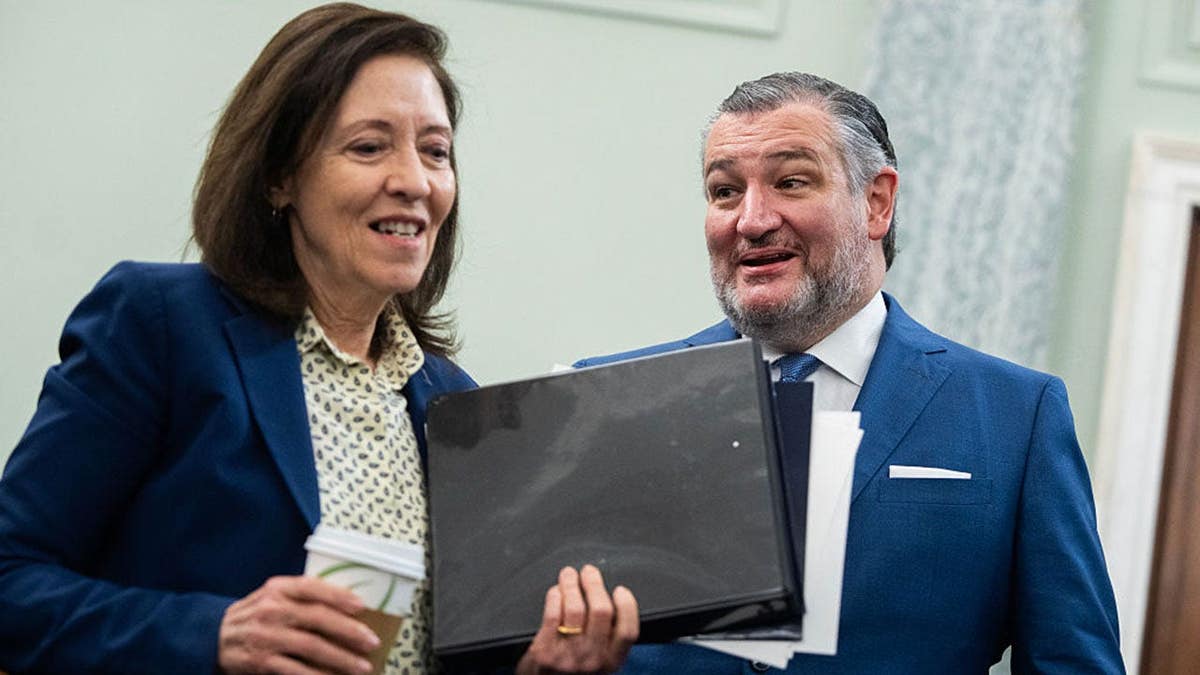
Sen. Ted Cruz, R-Texas, and Sen. Maria Cantwell, D-Wash., attend a Senate Commerce, Science, and Transportation Committee roundtable on the Protect College Sports Act and collegiate athletics in the Russell Building on June 10, 2026. (Tom Williams/CQ-Roll Call, Inc via Getty Images)
Those decisions affect real people. When lawmakers discuss the future of college athletics, they should consider the students who depend on an athletic opportunity to pursue a degree and develop skills for life after competition.
I support the Protect College Sports Act because I believe college athletics needs a stable foundation that protects athletes while preserving opportunities for the next generation.
SENATE MOVES TO REIN IN COLLEGE SPORTS ‘WILD WEST’ WITH SWEEPING NEW RULES FOR PLAYERS, SCHOOLS
One reason I support this legislation is its recognition that athletes should be able to benefit from their name, image, and likeness. The bill would establish a federal right to NIL compensation and a national framework for these agreements.
It also includes protections against predatory agents. I believe athletes deserve the chance to earn money from the reputation they work hard to build. They also deserve clear information and fair treatment when entering agreements that could affect their financial future. A more consistent system could help athletes make informed decisions while giving schools a clearer understanding of their responsibilities.
I also support the bill’s emphasis on education and athlete health. Its provisions include scholarship safeguards and requirements for Division I schools to cover qualifying athletic injury and illness expenses during an athlete’s college career and for five years after eligibility.
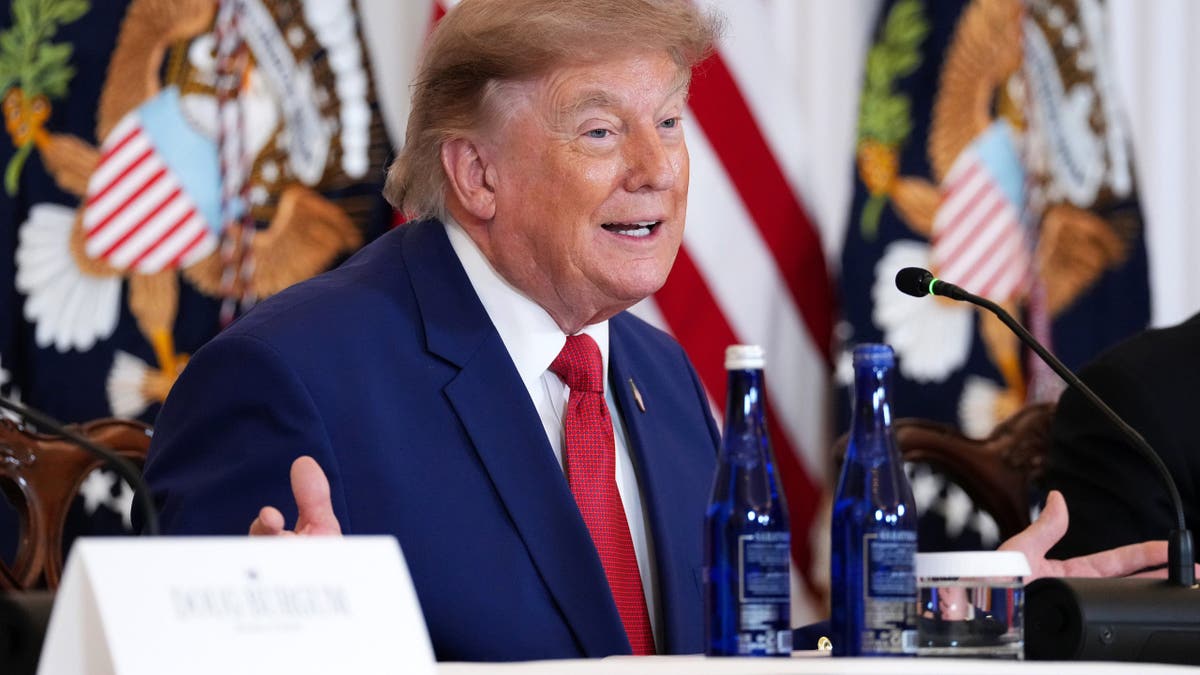
President Donald Trump previously shared his support for the Protect College Sports Act with a post on Truth Social. (Photo by Eric Lee/Getty Images)
To me, these protections reflect the responsibility that comes with asking students to represent a university. An injury can change an athletic career in a moment, but it should not erase a student’s path toward graduation.
Athletes should be able to focus on recovery and their education without feeling that their value depends entirely on their next performance.
My time at Louisiana Tech has given me opportunities to compete, lead, and prepare for my future. I want the athletes who come after me to have those same opportunities.
TED CRUZ, MARIA CANTWELL UNVEIL BIPARTISAN COLLEGE ATHLETICS BILL AMID NIL CHAOS, LAWSUITS, ‘LANE KIFFIN RULE’
Just as importantly, I want to be a student athlete, not an employee of my university. I came to Louisiana Tech to earn a degree just as much as I did to play the sport I love.
The growing push to classify college athletes as employees to collectively bargain threatens to change the fundamental nature of being a college athlete and could create additional financial challenges for athletic departments, putting sports like mine at risk. If the Protect College Sports Act does not pass, there is a real risk of this push becoming reality.
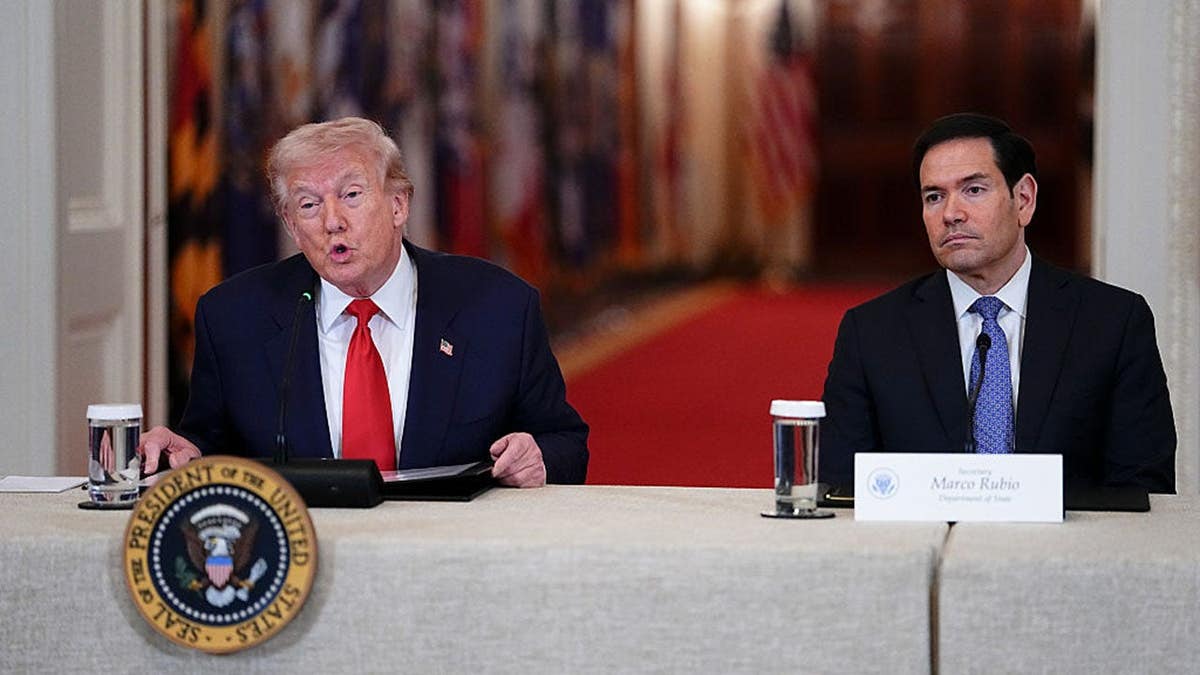
President Donald Trump and Secretary of State Marco Rubio participate in a “Saving College Sports” roundtable in the East Room of the White House in Washington, D.C., on March 6, 2026. The new council discussed a potential antitrust exemption related to college sports. (Aaron Schwartz/Bloomberg via Getty Images)
The legislation also includes measures intended to preserve women’s and Olympic sports. I see that goal as an important reason to support it. College athletics should continue to offer a broad range of opportunities, and its future should include athletes whose sports receive less public attention.
Preserving those opportunities gives more students the chance to compete, earn an education, and become leaders.
BRUCE PEARL: CONSERVATIVES ARE ATTACKING THE VERY COLLEGE SPORTS BILL THAT PROTECTS WOMEN
Supporting this act also means expecting accountability. I want athletes to have meaningful input as college sports continue to change. Clear rules should be paired with fair enforcement, attention to athlete well-being, and a commitment to academic success.
I want to be a student athlete, not an employee of my university. I came to Louisiana Tech to earn a degree just as much as I did to play the sport I love.
No single bill can resolve every challenge facing college athletics, but I believe this proposal offers a constructive step toward greater stability. Its success should be judged by whether students can understand their rights, receive the support they need, and continue to access athletic opportunities.
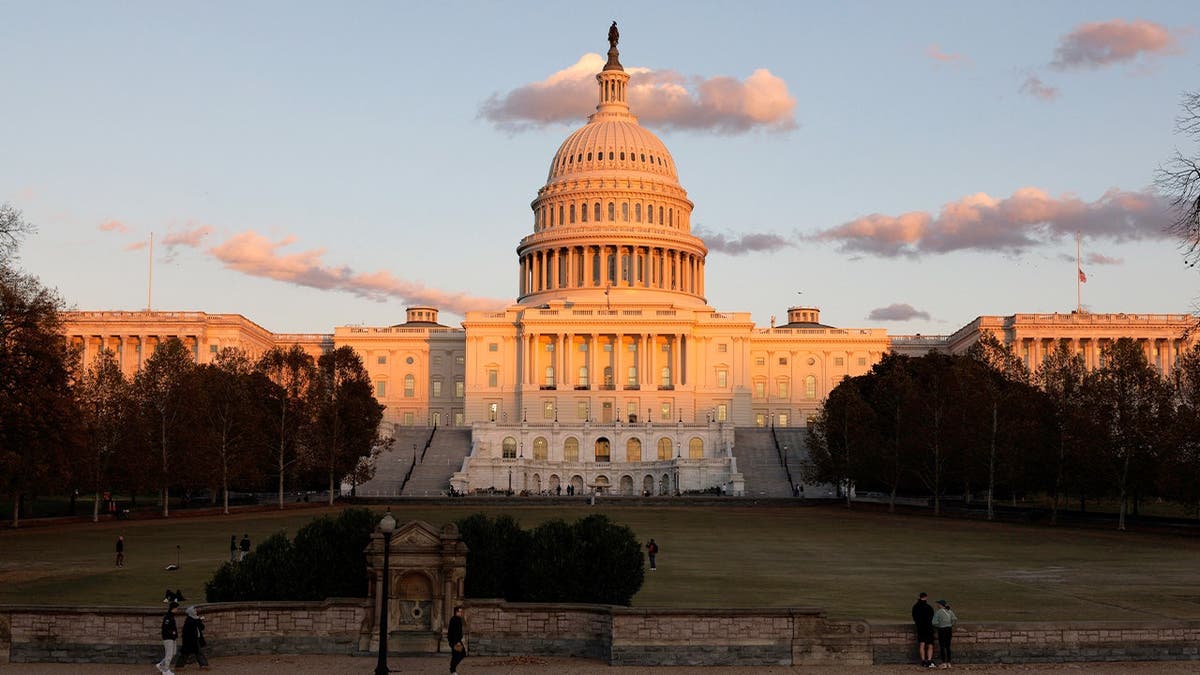
The president urged both the House and Senate to pass the Protect College Sports Act. (Photo by Tom Brenner/Getty Images)
The Senate has already acted by passing the Protect College Sports Act with broad bipartisan support. Now, the House of Representatives must finish the job.
CLICK HERE TO DOWNLOAD THE FOX NEWS APP
My time at Louisiana Tech has given me opportunities to compete, lead, and prepare for my future. I want the athletes who come after me to have those same opportunities.
Protecting college sports means investing in the people who give those programs their purpose. The House must pass the Senate bill and send it to the president’s desk before it’s too late.