


NEWYou can now listen to Fox News articles!
The holidays are known to be a source of stress, between traveling, preparing for family gatherings and indulging in lots of food and drinks.
The uptick of activity can actually put a strain on the heart, a phenomenon known as “holiday heart syndrome.”
Cardiothoracic surgeon Dr. Jeremy London addressed this elevated risk in a recent Instagram post, sharing how heart attacks consistently rise around the holidays.
TREATING GUM DISEASE COULD REDUCE RISK OF HEART ATTACKS AND STROKES, STUDY SUGGESTS
“Every year, like clockwork, we see a spike in heart attacks around Christmas and New Year’s,” the South Carolina-based surgeon said. “In fact, Christmas Eve is the highest-risk day of the year.”
This is due to a shift in behavior, specifically drinking and eating too much, moving less and being stressed out, according to London. “Emotional stress, financial stress, the increased pace of the holidays, increased obligations,” he listed.
Cold weather also causes vasoconstriction (narrowing of blood vessels), according to London, which increases the risk of plaque rupture and the potential for heart attack.
CUTTING OUT ALCOHOL AND MEDICATING SOONER COULD PREVENT ‘SILENT KILLER,’ EXPERTS SAY
Dr. Glenn Hirsch, chief of the division of cardiology at National Jewish Health in New York, noted in an interview with Fox News Digital that holiday heart syndrome typically refers to the onset of an abnormal heart rhythm, or atrial fibrillation.
This can happen after an episode of binge-drinking alcohol, Hirsch said, which can be exacerbated by holiday celebrations.

Binge-drinking at any time can drive atrial fibrillation, a cardiologist cautioned. (iStock)
“It’s often a combination of overdoing the alcohol intake along with high salt intake and large meals that can trigger it,” he said. “Adding travel, stress and less sleep, and it lowers the threshold to go into that rhythm.”
The biggest risk related to atrial fibrillation, according to Hirsch, is stroke and other complications from blood clots. Untreated atrial fibrillation can lead to heart failure after a long period of time.
WANT BETTER HEART HEALTH? START BY TACKLING YOUR WEAKEST LINK, CARDIAC SURGEON SAYS
“The risk of atrial fibrillation increases with age, but also underlying cardiovascular disease risk factors increase the risk, such as high blood pressure, obesity, diabetes, sleep apnea and chronic kidney disease,” he added.

Christmas Eve is the “highest risk day of the year” for heart attacks, according to one cardiologist. (iStock)
Preventing a holiday heart event
Holiday heart syndrome is preventable, as Hirsch reminds people that “moderation is key” when celebrating.
CLICK HERE TO SIGN UP FOR OUR HEALTH NEWSLETTER
The expert recommends avoiding binge-drinking, overeating (especially salty foods) and dehydration, while managing stress levels and prioritizing adequate sleep.
“Don’t forget to exercise,” he added. “Even getting in at least 5,000 to 10,000 steps during the holiday can help lower risk, [while] also burning some of the additional calories we are often consuming around the holidays.”
CLICK HERE FOR MORE HEALTH STORIES
London agreed, stating in his video that “movement is medicine” and encouraging people to get out and move every day.
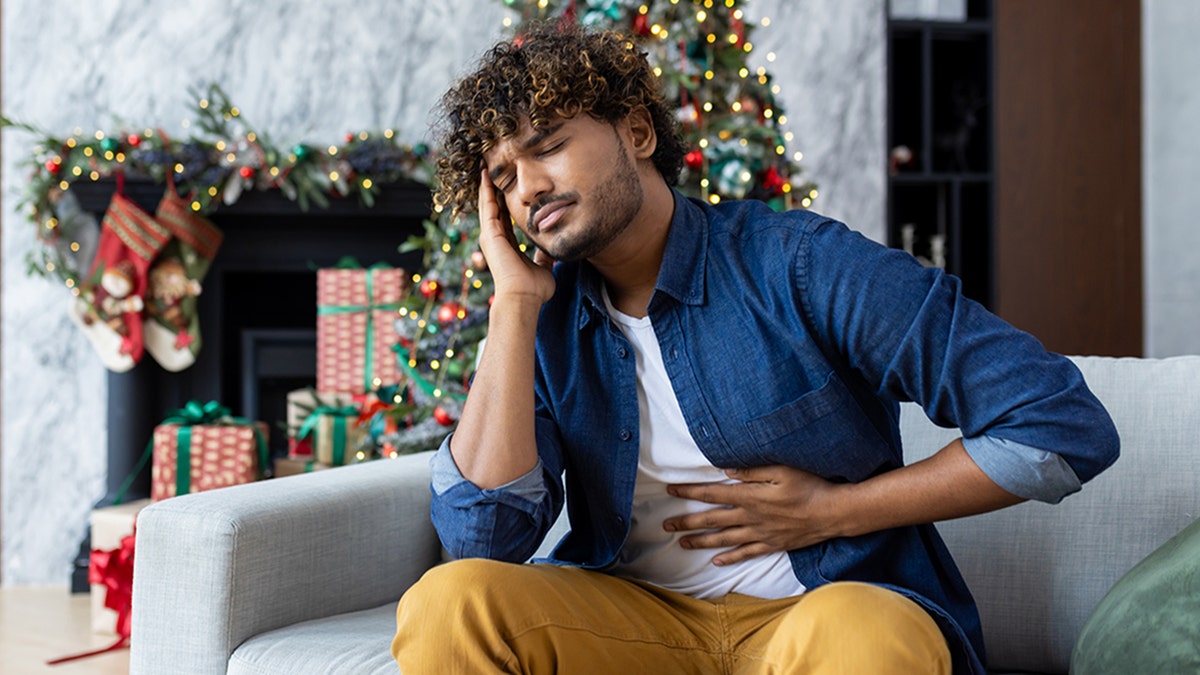
The various stresses of the holidays can have physical consequences on the body, doctors warn. (iStock)
It’s also important to stay on schedule with any prescribed medications, London emphasized. He encourages setting reminder alerts, even during the holiday break.
CLICK HERE TO DOWNLOAD THE FOX NEWS APP
“Prioritize sleep and mindfulness,” he added. “Take care of yourself during this stressful time.”
London also warned that many people delay having certain health concerns checked out until after the holidays, further worsening these conditions.
TEST YOURSELF WITH OUR LATEST LIFESTYLE QUIZ
“Don’t ignore your symptoms,” he advised. “If you don’t feel right, respond.”