
NEWYou can now listen to Fox News articles!
As more Americans turn to popular GLP-1 medications such as Ozempic, Wegovy and Zepbound to lose weight or manage diabetes, there is a growing focus on protecting muscle as pounds are shed.
The concern comes as 11% of U.S. adults report taking these drugs for weight loss, up from 3% in 2024, according to Gallup.
Lean mass, which includes muscle and other tissues, accounts for roughly a quarter to a third of the weight lost with these obesity treatments, research suggests.
4 SIMPLE HABITS CAN HELP SLOW MUSCLE LOSS AS YOU AGE, FITNESS EXPERT SAYS
Gary Brecka, a biologist and longevity expert in Miami, Florida, shared with Fox News Digital his simple strategy for helping people preserve muscle — starting with just six minutes of exercise a day.
“GLP-1s can be life-saving for people, especially for people who are morbidly obese or have type 2 diabetes, but they can also be fascinating shifts in someone’s trajectory of their wellness journey,” he said.

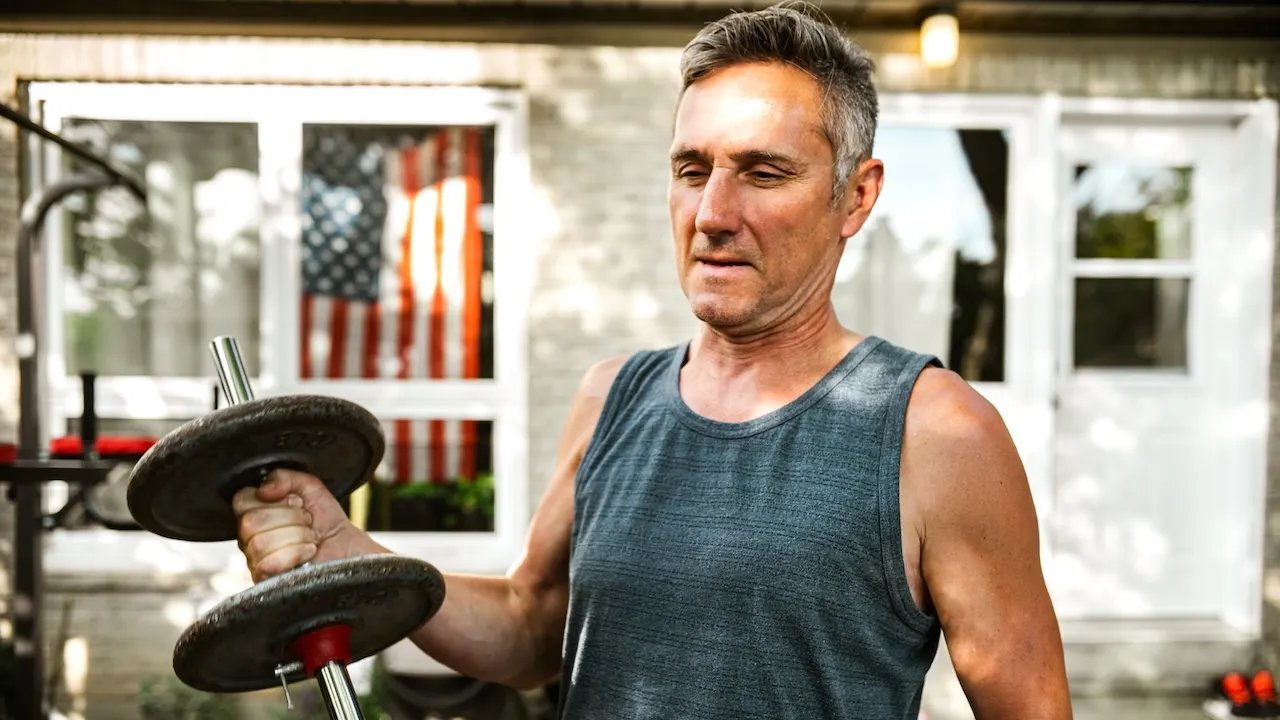
Lean mass, which includes muscle and other tissues, accounts for roughly a quarter to a third of the weight lost with GLP-1 medications. (iStock)
“What’s critically important for people who embark on a GLP-1 journey is to make sure that they are mitigating the lean body-mass loss.”
Brecka emphasized that weight loss is not exclusively fat loss.
OZEMPIC USERS MAY BE MAKING A MAJOR WEIGHT-LOSS MISTAKE, NEW STUDY SUGGESTS
“When most people say, ‘I want to lose weight,’ what they’re really saying is, ‘I want to lose fat,’” he said. “But with GLP 1s, you have a double-edged sword. About 20% to 40% of the weight that you lose is what we call lean body mass.”
Lean body mass includes not only muscle, but also water, organs, blood and connective tissues, such as tendons and ligaments. Brecka emphasized that preserving lean tissue should be a priority during treatment.
“You don’t have to lift like a bodybuilder to mitigate lean body mass loss.”
Maintaining strength also helps people remain independent as they age, supporting everyday activities such as bathing, dressing and walking.
“The more that we can maintain control and dominion over those, the more independent we can be,” Brecka said.
WEEKLY WEIGHTLIFTING SWEET SPOT MAY BE LINKED TO LONGER LIFE, STUDY FINDS
Strength in minutes
Challenging the body through exercise encourages it to adapt and grow stronger, Brecka said.
“But when it comes to a GLP-1 journey, you’ve got to give up a little bit of that comfort to reach your goals,” he said.

Challenging the body through exercise encourages it to adapt and grow stronger, the expert said. (iStock)
Brecka recommends starting with six minutes of resistance exercise each day.
“People think of weight-training or resistance training as something they’ve got to dedicate 60 to 90 minutes to every day, and therefore they think they don’t have enough time in their day,” he said.
CLICK HERE FOR MORE HEALTH STORIES
It’s also important to pair the strength training with adequate protein to help preserve muscle during weight loss.
Protein provides amino acids that help the body build and maintain muscle and other tissues, including tendons, ligaments and cartilage, Brecka said.
‘Snacking’ on exercise
Busy people who don’t have time for lengthy gym sessions can fit resistance training into their day by “snacking” on exercise, the longevity expert said.
Brecka suggested simple exercises such as holding a plank with the knees on the floor, progressing to a full plank as strength allows, or doing body-weight squats and abdominal crunches.
TEST YOURSELF WITH OUR LATEST LIFESTYLE QUIZ
He also recommended resistance exercises using dumbbells or barbells, preferably moving through a full range of motion. One example is a goblet squat, which involves holding a dumbbell near the chest while squatting and standing.
“You don’t have to lift like a bodybuilder to mitigate lean body mass loss,” he said. “All you have to do is provide resistance for these tissues so that your body doesn’t begin to reabsorb them while you’re on this GLP-1 journey.”
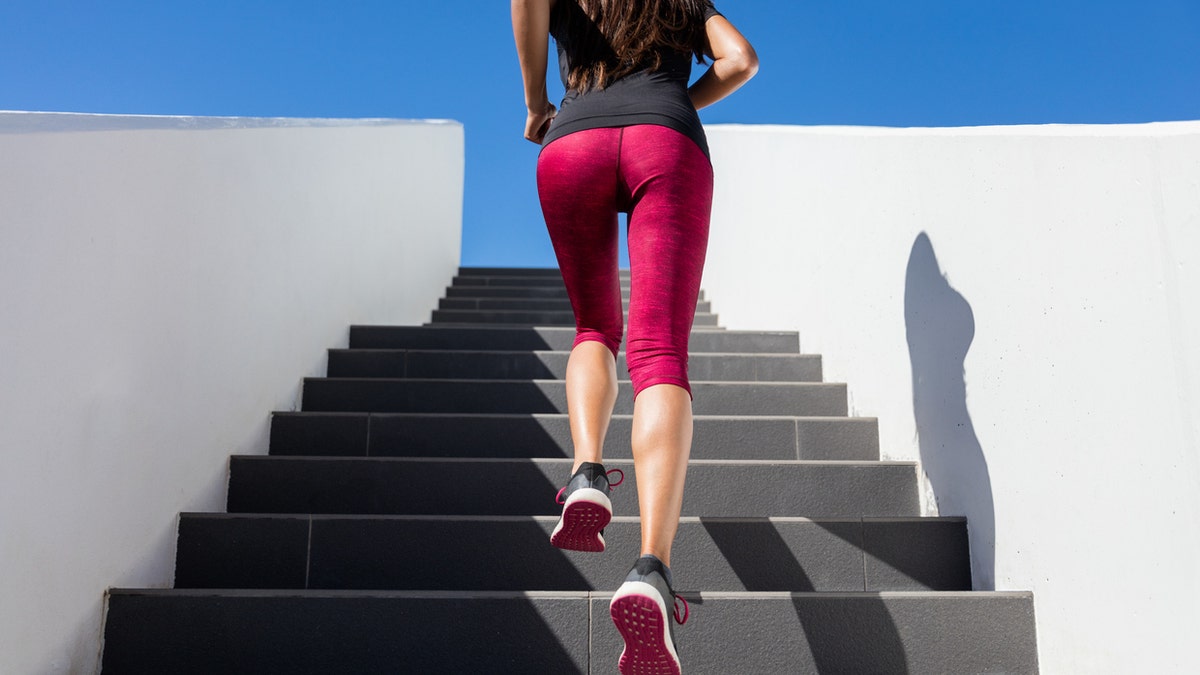
Busy people who don’t have time for lengthy gym sessions can fit resistance training into their day by “snacking” on exercise, the longevity expert said. (iStock)
In terms of frequency, Brecka said exercise should be “non-negotiable” as a daily practice. He recommends a minimum of three days of resistance training and a minimum of three days of cardiovascular training.
“Cardiovascular training can be as simple as walking outside, taking your dog for a 20-minute walk,” he said, adding that a weighted vest can make the same walk more challenging by increasing the load the body carries.
CLICK HERE TO SIGN UP FOR OUR HEALTH NEWSLETTER
“If you’re going to an airport, skip the moving walkway, skip the escalator, just take the steps,” Brecka suggested. “There are simple things that you can do every single day … that have a dramatic impact on your body’s ability to rebuild these tissues.”
“These small choices throughout our lifetime are what build resilience for the decades ahead.”
Prioritizing protein
Protein does more than just support muscle, according to Brecka.
Whether protein comes from chicken, beef or plant-based foods, the body breaks it down into amino acids that help build and repair muscle and other tissues, including tendons, ligaments and cartilage.
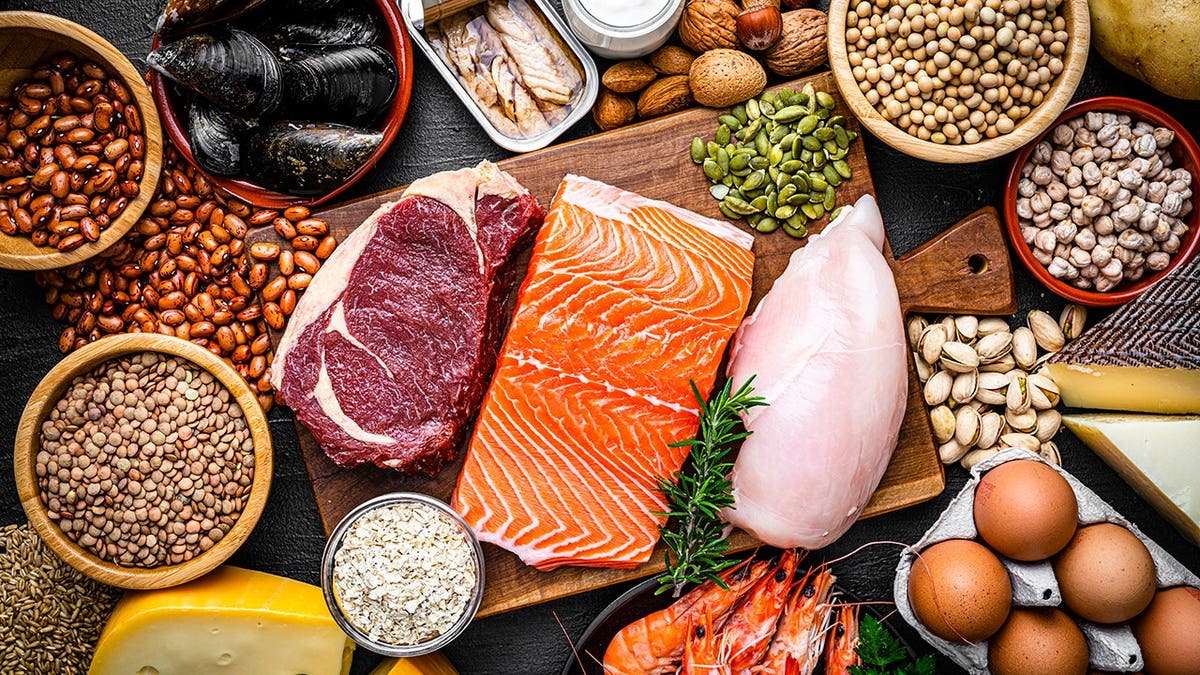
The body breaks down protein from foods such as chicken, beef and plants into amino acids, which help build and repair muscle and other tissues, including tendons, ligaments and cartilage. (iStock)
“Protein is important for so many more things than just muscle and the physical things that we see on the outside,” Brecka said. “It’s also responsible for building these lean body mass structures.”
Current federal dietary guidelines recommend 1.2 to 1.6 grams of protein per kilogram of body weight daily.
CLICK HERE TO DOWNLOAD THE FOX NEWS APP
A joint advisory on GLP-1 treatment discusses the same range during active weight loss, while emphasizing that targets should be tailored to the individual.
Brecka also urged patients to pay attention to declining energy or exercise performance, such as finding a previously easy flight of stairs suddenly difficult, and discuss those changes with a doctor.