


New research casts doubt on cannabis benefits, cites mental health risks
Fox News senior medical analyst Dr. Marc Siegel discusses new research that casts doubt on cannabis benefits and highlights increased mental health risks, especially for teenagers. Modern marijuana, with 70-90% THC potency, is linked to higher rates of PTSD, anxiety, depression, ADHD, and bipolar disorder. Usage among Americans aged 12 and older has skyrocketed by 180% since the early 2000s, leading to concerns about addiction and health issues.
NEWYou can now listen to Fox News articles!
Hollywood icon Sharon Stone recently opened up about a health scare after quitting marijuana, revealing her symptoms were so intense that she turned to a neurologist.
During an interview with Variety, the actress said her decision to quit was driven by a desire for a drug-free life.
“And because I think they put so much stuff in it now — they really do — when I stopped smoking pot, I also got sick,” she said.
CANNABIS COMPOUNDS COULD REVERSE DISEASE AFFECTING ONE-THIRD OF ADULTS
“I got pretty sick for a month. I went to my neurologist, and he said, ‘Sharon, I’ve had people dying in the emergency room from marijuana.'”
Stone attributed her ordeal to the potency of modern weed, saying, “It’s not like you’re pulling it out of the ground anymore … It’s not like when we were kids.”

American actress Sharon Stone quit “smoking pot” and got so sick that she consulted a neurologist, she revealed in a recent interview. (Getty Images, iStock)
Experts note that cannabis withdrawal itself is generally not considered life-threatening, although severe symptoms, underlying medical conditions or interactions with other substances can complicate recovery.
FLYING WITH CANNABIS? TSA’S NEW GUIDANCE COMES WITH A MAJOR HEALTH WARNING
Dr. Chris Tuell, clinical director of addiction services at the Lindner Center in Cincinnati, confirmed that today’s cannabis products are vastly different from the strains of decades past.
THC levels in marijuana have surged from about 3% to 5% in the 1980s to as high as 30% in today’s cannabis products, while concentrates can exceed 90% THC, he told Fox News Digital.
“I do believe cannabis is addicting, especially with the high levels of THC.”
Higher THC concentrations have been linked to greater risks of dependence, cannabis use disorder (CUD), psychosis in some users, and more severe withdrawal symptoms, according to the National Institute on Drug Abuse.
As today’s cannabis products become increasingly potent, experts say there are several risks and warning signs that daily users should know before deciding whether to continue — or quit — using marijuana.
No. 1: High-potency THC changes the brain’s reward system
According to Cleveland Clinic, CUD occurs when marijuana takes over the brain’s reward pathways, amplifying compulsive behavior.
“I do believe cannabis is addicting, especially with the high levels of THC,” Tuell told Fox News Digital.
No. 2: Addiction isn’t always obvious
The American Psychiatric Association’s DSM-5 (Diagnostic and Statistical Manual of Mental Disorders, Fifth Edition) outlines the following diagnostic criteria signaling that casual use may have crossed into dependency.
CLICK HERE TO DOWNLOAD THE FOX NEWS APP
- Taking larger amounts over longer periods than intended
- Experiencing unsuccessful attempts to cut down or control usage
- Failing to fulfill work, school or home responsibilities
- Continuing use despite clear relationship problems

Today’s cannabis flower and concentrates contain up to 90% THC, making modern products exponentially stronger than those from decades past, experts say. (iStock)
No. 3: Withdrawal can be intense
Quitting heavy, long-term cannabis use can trigger withdrawal symptoms within 24 to 48 hours, Cleveland Clinic notes.
CLICK HERE FOR MORE HEALTH STORIES
Users frequently experience severe insomnia, intense irritability, anxiety, appetite loss, sweating, headaches and stomach upset. While acute physical symptoms typically resolve within a month, mood swings and sleep issues can linger much longer, according to Tuell.
CLICK HERE TO SIGN UP FOR OUR HEALTH NEWSLETTER
4. Medical guidance may be needed
While cannabis withdrawal alone rarely requires hospitalization, Cleveland Clinic notes that people with significant medical or mental health conditions — or those stopping cannabis while also withdrawing from alcohol, opioids or certain other medications — may benefit from medical supervision.
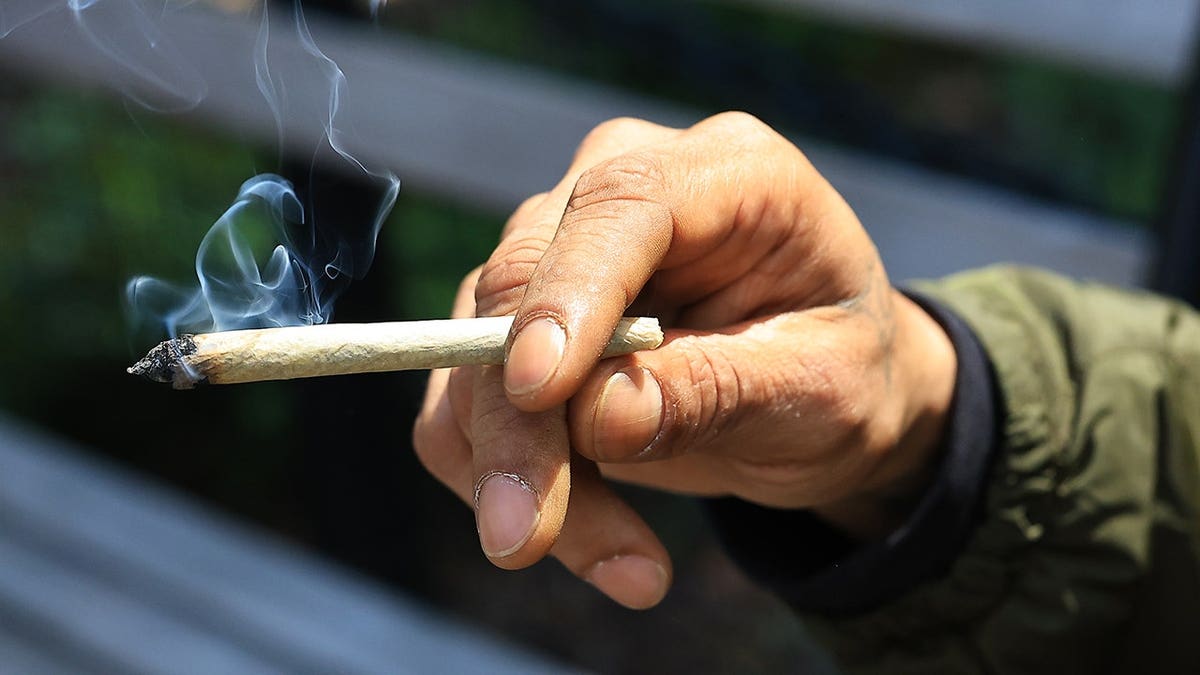
Addiction experts strongly advise stepping down THC intake slowly to cushion the impact on the nervous system and avoid severe rebound symptoms. (iStock)
No. 5: Underlying issues may fuel dependence
Mental health conditions often occur alongside cannabis use disorder, and treating those underlying issues may help reduce problematic marijuana use, according to the National Institute on Drug Abuse and the Cleveland Clinic.
TEST YOURSELF WITH OUR LATEST LIFESTYLE QUIZ
“I strongly believe that CUD and mental health issues co-exist, and that mental health counseling can address the issues driving the addictive behaviors,” Tuell said.
Fox News Digital reached out to Stone’s representatives requesting comment.